










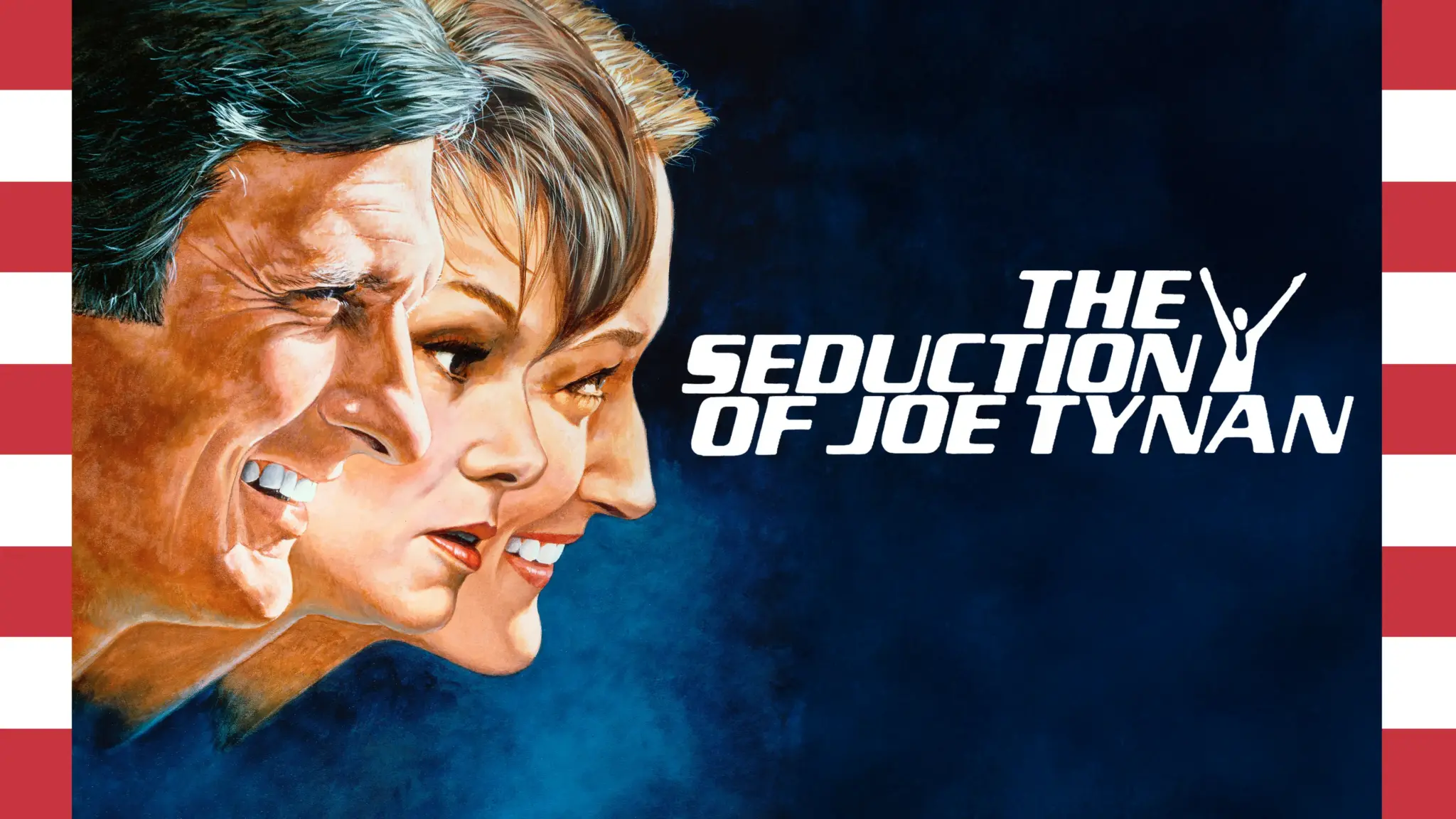
The Seduction of Joe Tynan (released in theaters on August 17, 1979) glides onto the screen as an incisive, remarkably grounded political drama that exposes the quiet compromises, personal sacrifices, and seductive lure of high-level Washington power. Written by and starring Alan Alda, the narrative centers on Joe Tynan (Alda), a charismatic, highly principled liberal U.S. Senator from New York.
Balancing a demanding legislative career with a warm family life alongside his sharp, supportive wife Ellie (Barbara Harris), Joe finds himself thrust into the national spotlight when he leads the opposition against a supreme court judicial nominee backed by senior party leadership.
To build a formidable case against the nominee, Joe travels to Louisiana and begins working closely with Karen Traynor (Meryl Streep), a brilliant, magnetically attractive Southern attorney representing an opposition group.
As their intense collaboration yields major political victories, a passionate extramarital affair ignites between Joe and Karen, threatening to unravel his marriage and family stability.
Joe’s political ascent is further complicated by the maneuvering of cynical Washington insiders, including a manipulative fellow senator, Senator Birney (Rip Torn), an aging, senile mentor, Senator Stoddard (Melvyn Douglas), an ambitious colleague (Charles Kimbrough), and aristocratic social figures played by Carrie Nye and Blanche Baker.
As national party bosses begin grooming Joe for a potential presidential run, he faces a soul-searching dilemma: whether to preserve his moral integrity and family bonds or surrender entirely to the dizzying ambitions of supreme power.
Robert Christian, Michael Higgins and Dan Hedaya round out the cast.
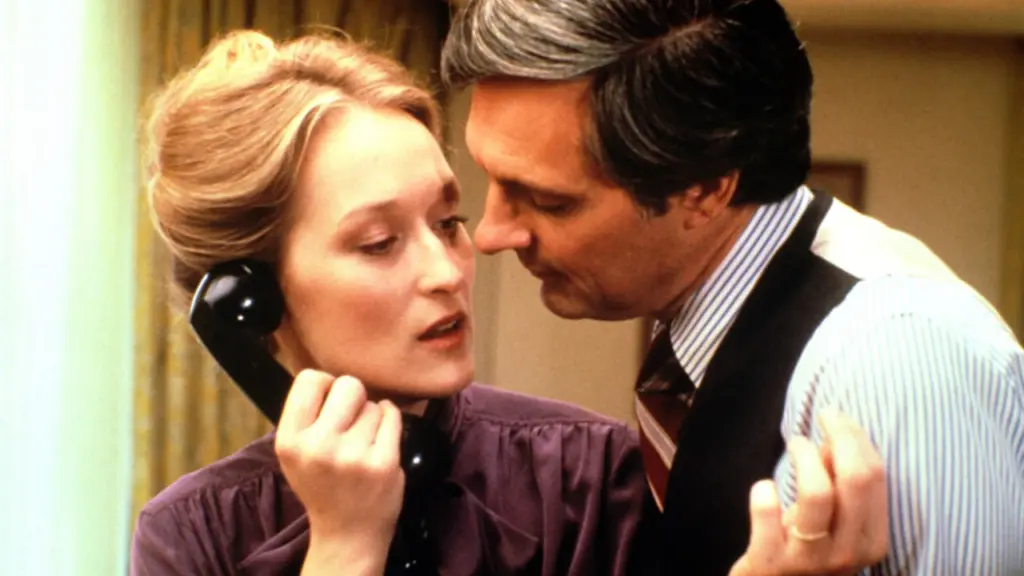
Meryl Streep and Alan Alda in The Seduction of Joe Tynan (Photo/Universal Pictures)
Reception for The Seduction of Joe Tynan
The Seduction of Joe Tynan grossed $19.6 million in its theatrical run.
Legacy
The Seduction of Joe Tynan‘s legacy endures as a sophisticated, prophetic hallmark of late-1970s adult cinema, praised by critics for its remarkably authentic, non-cynical portrayal of the American legislative process.
The feature is widely celebrated for its stellar ensemble performances, particularly Streep’s luminous turn early in her career, Harris’ heartbreakingly empathetic work, and Douglas’ poignant portrayal of declining political influence.
Alda’s sharp screenplay continues to be studied by film historians for its nuanced exploration of how ambition gradually erodes personal ethics.
Political drama enthusiasts and cinephiles remember The Seduction of Joe Tynan as a compelling, timeless character study that remains strikingly relevant in modern political storytelling.