






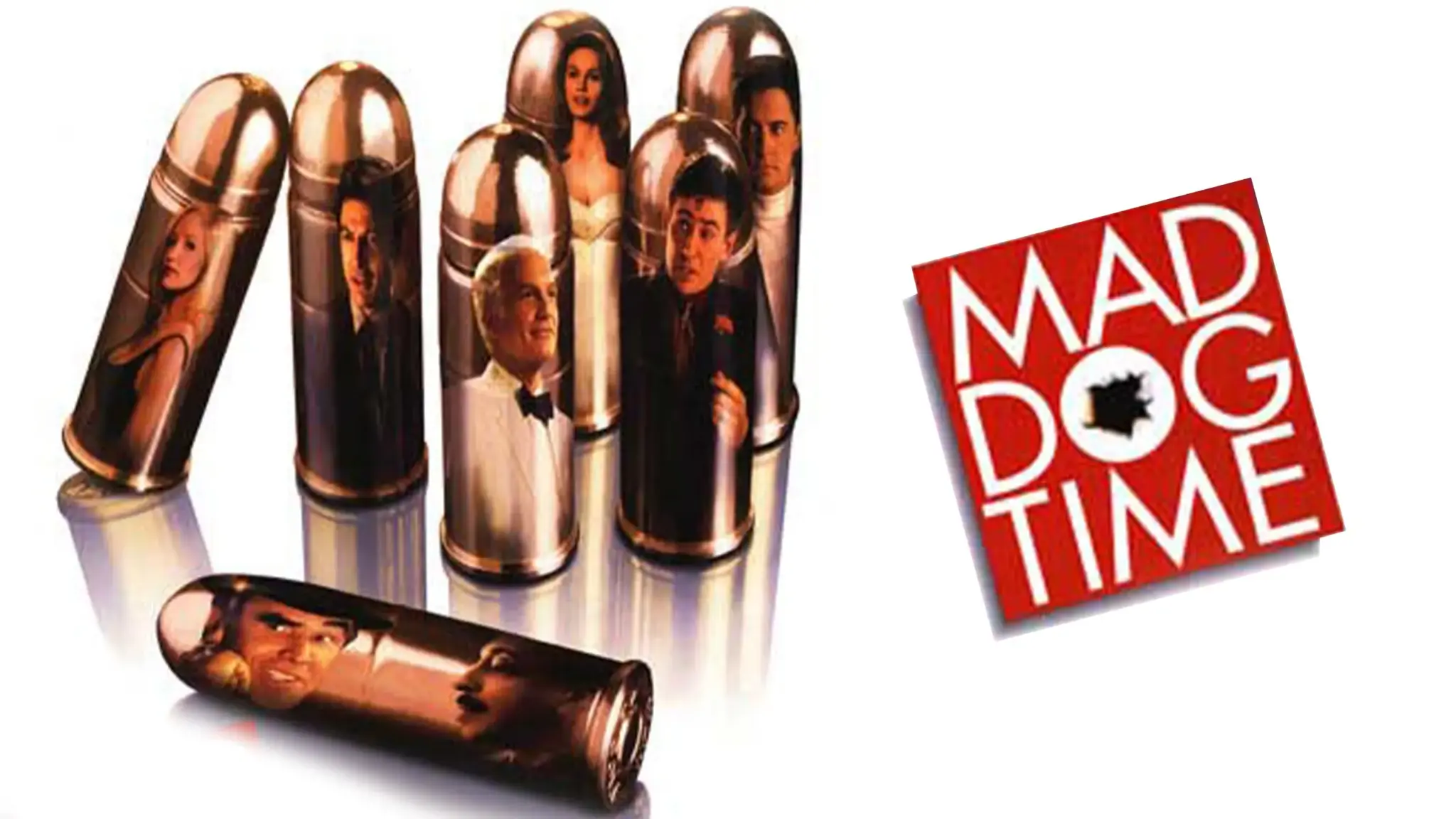
Mad Dog Time (released in theaters on November 8, 1996) swaggeringly saunters onto the screen as an absurd, hyper-stylized neo-noir comedy that transforms the traditional mob thriller into a surreal theatrical spectacle. The story ignites when ruthless mob kingpin Vic “Mad Dog” Vicaro (Richard Dreyfuss) is finally released from a mental institution.
During Vic’s absence, his suave, ultra-cool lieutenant Mickey Holliday (Jeff Goldblum) has been secretly holding down the empire.
However, Mickey finds himself in double trouble as he juggles romantic entanglements with both his passionate girlfriend Rita (Ellen Barkin) and her alluring sister Grace (Diane Lane).
Word of Vic’s imminent return sends shockwaves through the underworld, triggering a frantic scramble for power among rival hitmen and lieutenants.
A rogue rogue’s gallery of eccentric killers – including smooth-talking Ben London (Gabriel Byrne), cold-blooded rival Jake Parker (Kyle MacLachlan), sharp-shooting Jules Flamingo (Gregory Hines), unhinged enforcer Wacky Jack (Burt Reynolds), and lethal veteran Sleepy Joe (Henry Silva) – prepare for a bloody showdown.
Mickey must navigate double-crosses, deadly quick-draw duels in moody nightclubs, and shifting gangland loyalties to maintain order before Vic reclaims his throne with an iron fist, resulting in a chaotic sequence of bizarre confrontations where top assassins eliminate each other one by one in high-stakes standoffs.
Angie Everhart, Michael J. Pollard, Billy Idol, Billy Drago, Paul Anka, Rob Reiner, Joey Bishop, and Richard Pryor round out the cast.
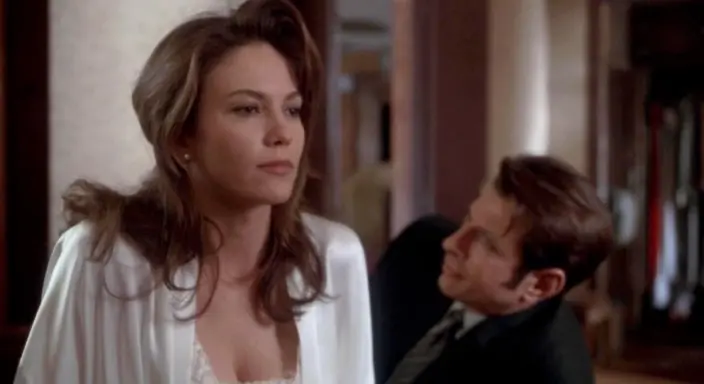
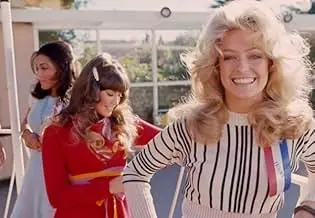
Diane Lane in Mad Dog Time (Photo/United Artists)
Reception for Mad Dog Time
Mad Dog Time grossed $107,874 in its theatrical run.
Roger Ebert gave Mad Dog Time ‘Thumbs Down’ in his review.
Legacy
Mad Dog Time‘s legacy endures as one of the most fascinatingly polarizing cult curiosities of late-1990s indie cinema.
Though roundly panned by traditional critics upon its initial theatrical run for its bizarre narrative logic, offbeat rhythm, and theatrical dialogue, the picture gradually cultivated a dedicated midnight-movie following among retro crime fans who appreciate its intentionally campy, Rat Pack-inspired aesthetic.
Audiences revisit Mad Dog Time for its wildly eclectic, stacked ensemble cast, which assembled a astonishing array of Hollywood icons into a singular, dreamlike criminal underworld.
Neo-noir enthusiasts celebrate the project as an unapologetically bold, highly stylized experiment that dared to mash up classic mobster tropes with absurd, avant-garde comedy.