





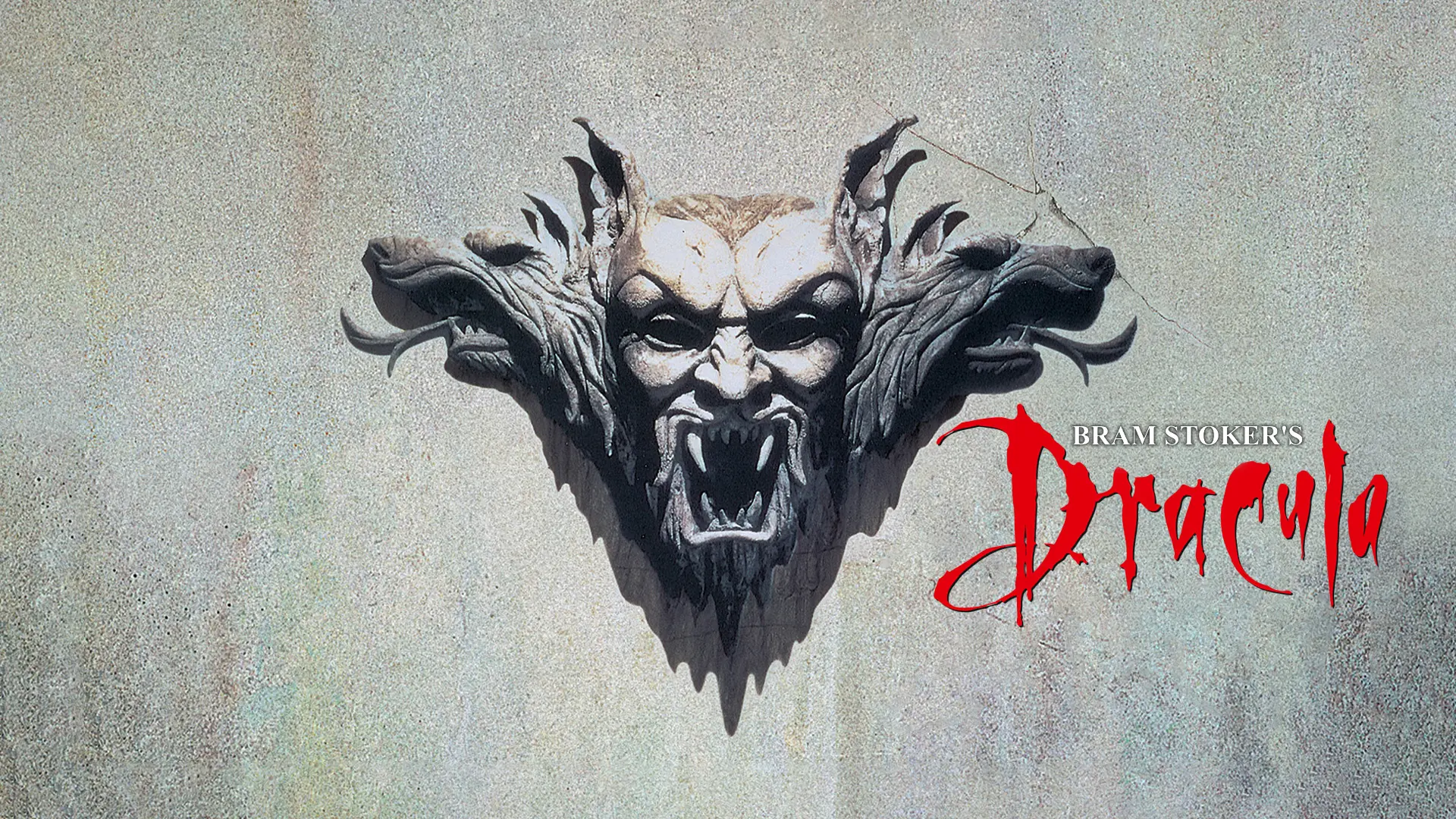
Dracula (released on November 13, 1992) swoops onto the screen as a breathtaking, opera-scaled triumph of romantic gothic horror that reclaims the dark majesty of its source material. Directed by Francis Ford Coppola, the story begins in 1462 as Transylvanian Count Vlad Dracula (Gary Oldman) renounces God after his beloved wife Elisabeta commits suicide upon receiving false news of his death.
Cursed to immortal damnation as a creature of the night, Dracula resurfaces four centuries later in Victorian-era London.
Upon discovering a photograph of Mina Murray (Winona Ryder), the fiancée of English solicitor Jonathan Harker (Keanu Reeves), Dracula realizes she is the living reincarnation of his lost soulmate and travels to England to claim her.
After imprisoning Harker in his Transylvanian castle, Dracula arrives in London, insidiously preying upon Mina’s friend Lucy Westenra and drawing the suspicion of an eclectic team of pursuers.
Led by eccentric vampire hunter Professor Abraham Van Helsing (Anthony Hopkins), a grieving group of suitors – including Dr. Jack Seward (Richard E. Grant), Lord Arthur Holmwood (Cary Elwes), and American adventurer Quincey Morris (Billy Campbell) – band together alongside Dracula’s raving servant Renfield (Tom Waits) to track down the ancient evil.
As Mina finds herself hypnotically torn between her mortal human love for Jonathan and an overwhelming passion for the tragic, agonizingly immortal Count, Van Helsing’s posse pursues Dracula across Europe to his castle for a final, violent showdown to save Mina’s eternal soul.
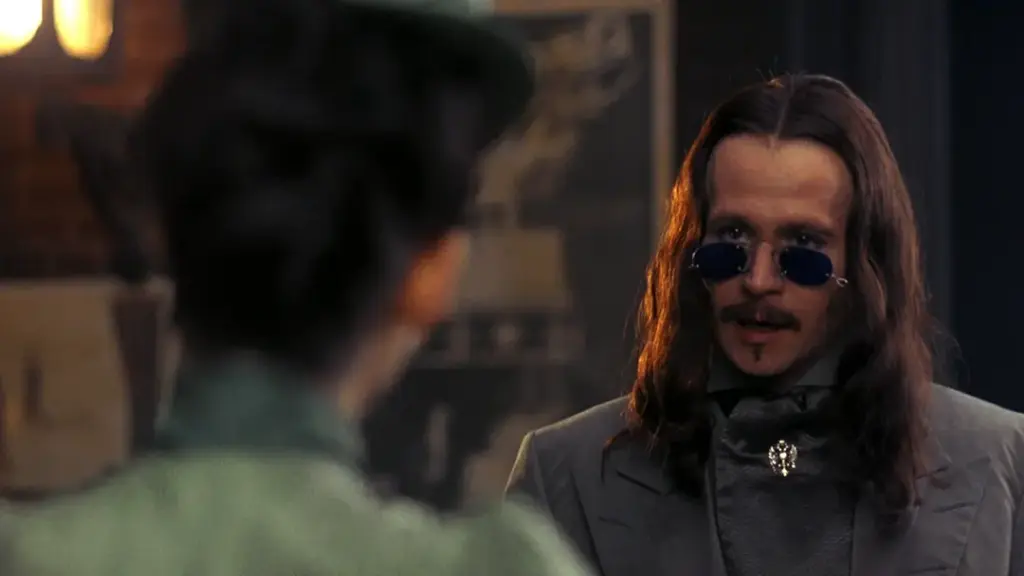
Gary Oldman in Dracula (Photo/Columbia Pictures)
Reception for Dracula
Dracula grossed $30.5 million on its opening weekend, finishing No. 1 at the box office, topping Passenger 57 ($7.1 million on its second weekend).
The film would gross $215.9 million worldwide.
Roger Ebert gave Dracula three out of four stars in his review.
The film received four nominations and won three – Best Costume Design, Best Sound Editing, and Best Makeup.
Legacy
Dracula‘s legacy endures as a crowning visual masterpiece of modern horror, celebrated for its revolutionary decision to rely almost entirely on practical, in-camera special effects reminiscent of early cinema.
Coppola’s opulent direction transformed the legendary monster into an agonizingly romantic antihero, while Oldman’s extraordinary, chameleon-like performance defined a generation’s vision of the iconic Count.
The film is remembered as a visually intoxicating, passionately theatrical masterpiece that set the gold standard for cinematic vampire adaptations.