
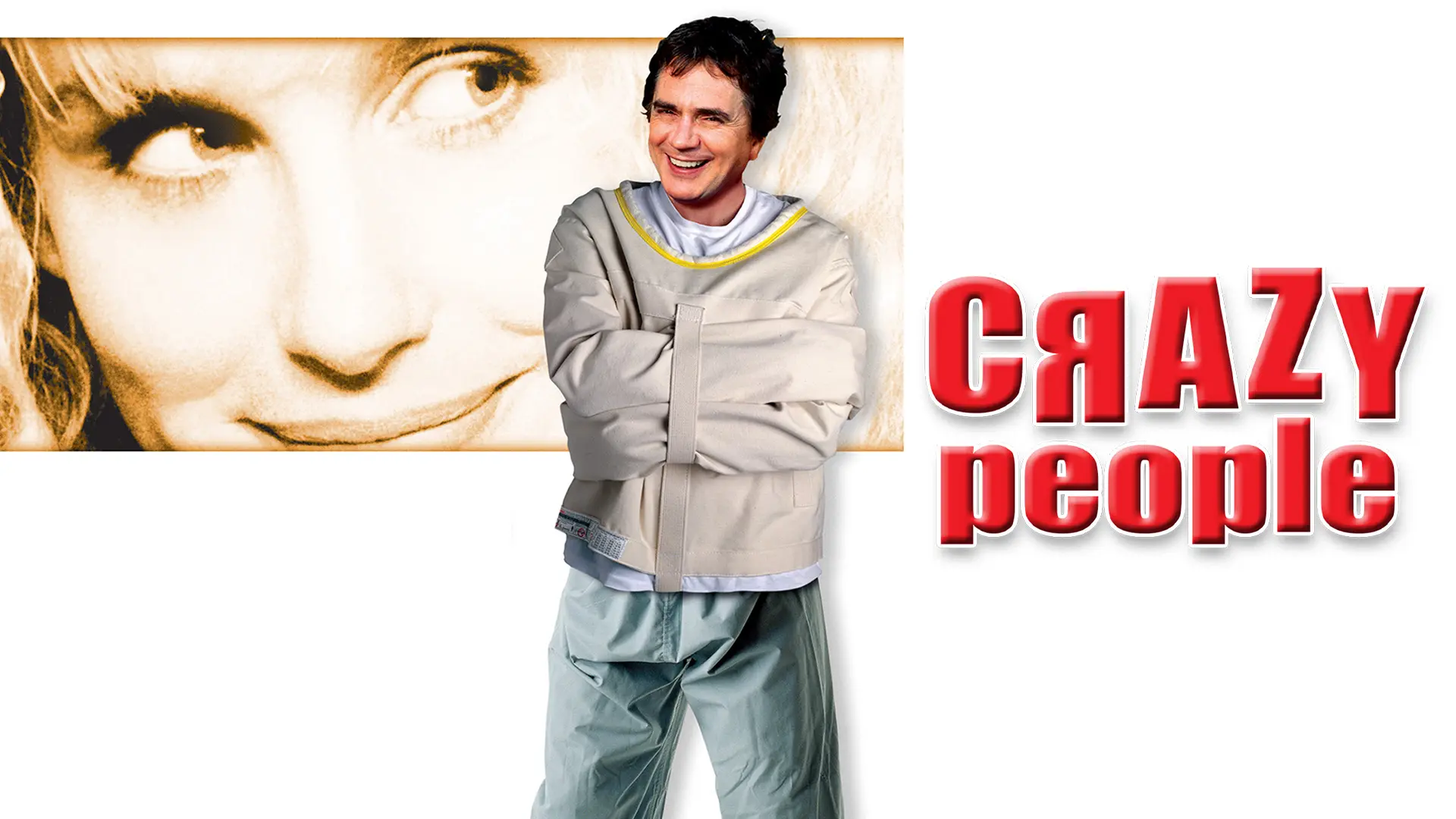
Crazy People (released in theaters on April 13, 1990) follows the frantic life of Emery Leeson (Dudley Moore), a high-strung advertising executive who reaches his breaking point with the deceptive nature of his industry. After a nervous breakdown leads him to propose a “truth in advertising” campaign featuring slogans that are brutally, hilariously honest, his colleague Stephen Bachman (Paul Reiser) commits him to a psychiatric institution.
While in the hospital, Emery’s rejected ads are accidentally printed and become an overnight sensation, revolutionizing the marketing world.
Recognizing a goldmine, the ad agency enlists Emery and his fellow patients to create more campaigns.
Amidst the chaos of the corporate world trying to exploit their “madness,” Emery finds a genuine connection with Kathy Burgess (Daryl Hannah), a vulnerable and charming resident of the facility.
The plot masterfully skewers the absurdity of consumer culture, suggesting that in a world built on lies, the only sane people are the ones behind locked doors.
Moore is brilliant as Emery, channeling a frantic yet lovable energy that makes his crusade for honesty feel both manic and righteous.
Hannah brings a gentle, ethereal quality to the role of Kathy, providing the film with its emotional heart.
Reiser excels as the ambitious Stephen, perfectly capturing the corporate desperation of the era, while J.T. Walsh delivers a characteristically cold and calculating performance as the agency head, Drucker.
The supporting cast is a powerhouse of talent, including Mercedes Ruehl, Bill Smitrovich and David Paymer.
Together, they create a believable community that stands in stark contrast to the hollow suits in the boardroom.
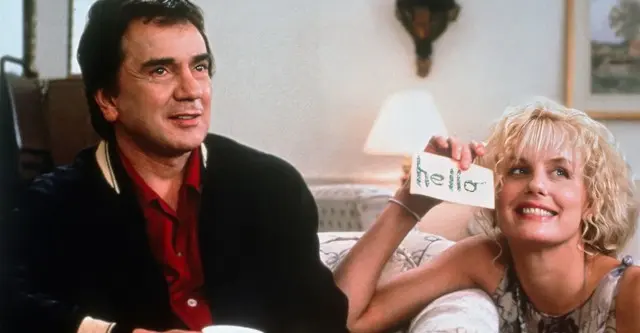
Dudley Moore and Daryl Hannah in Crazy People (Photo/Paramount Pictures)
Reception for Crazy People
Crazy People grossed $3.4 million on its opening weekend, finishing sixth at the box office.
The film would gross $13.2 million in its theatrical run.
Roger Ebert gave Crazy People two out of four stars in his review.
Legacy
Crazy People‘s legacy lies in its prophetic take on the advertising industry and its cynical look at how “authenticity” can be packaged and sold.
Long before the era of self-aware social media marketing and “anti-ads,” this movie explored the idea that consumers actually crave blunt honesty over polished perfection.
It remains a cult favorite for its clever script and the memorable, “truthful” advertisements that have since become a part of comedy history.
By blending dark corporate satire with a sweet, unconventional romance, it challenged the traditional tropes of the nineties comedy.
Crazy People’s enduring relevance is found in its message about the value of human sincerity in an increasingly artificial world, proving that a little bit of “crazy” might be exactly what society needs to stay sane.