



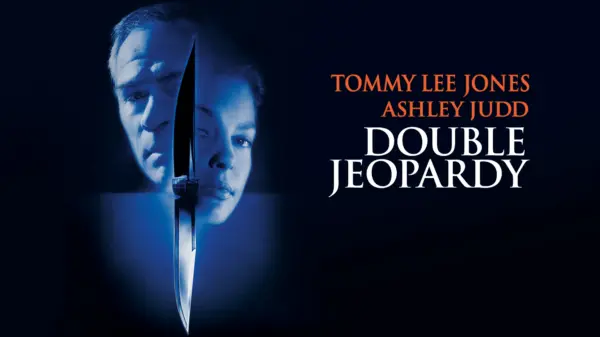




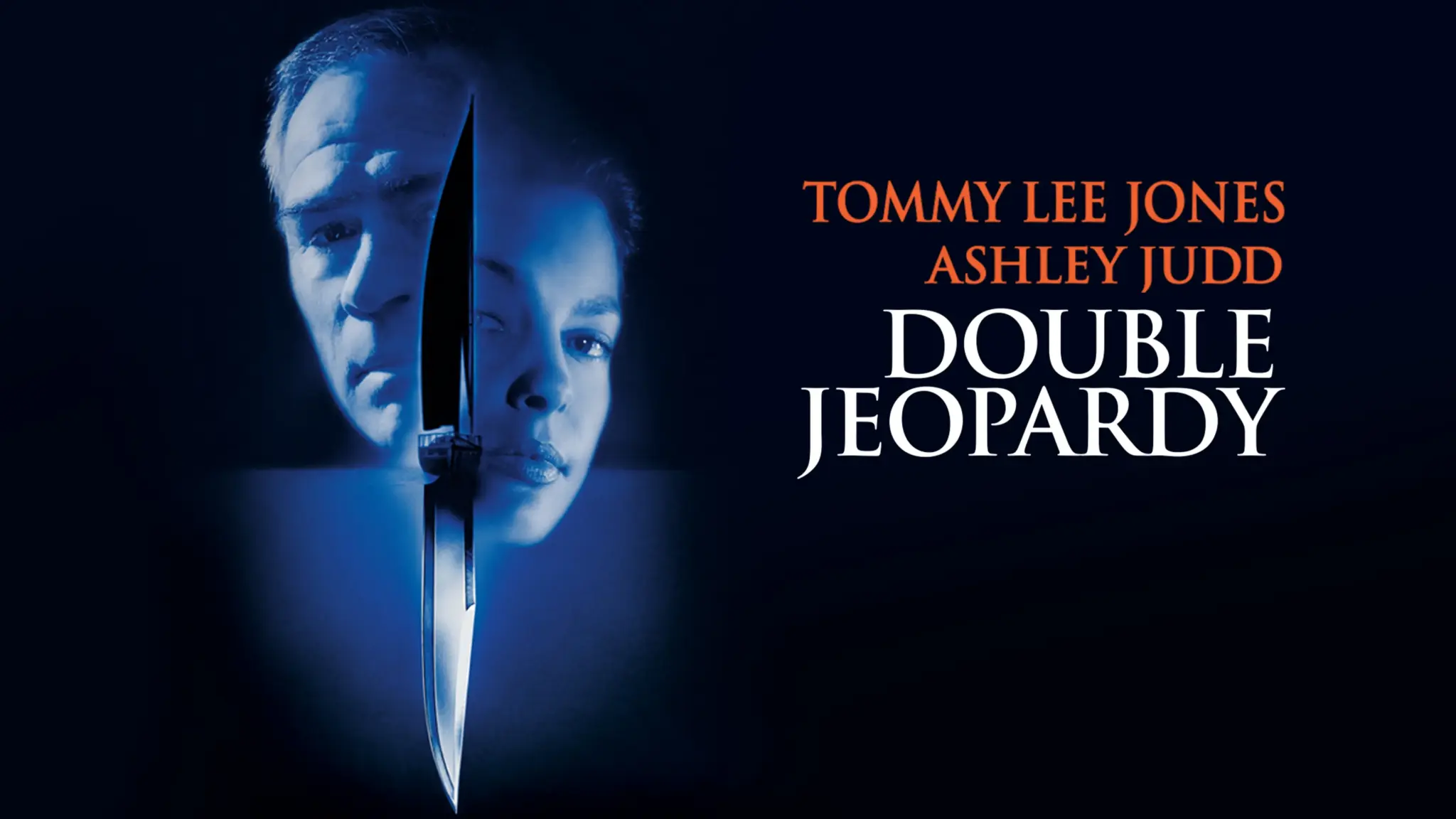
Double Jeopardy (released in theaters on September 24, 1999) delivers a thrilling, high-concept cat-and-mouse game that blends romantic betrayal with an ingenious legal premise. Directed by Bruce Beresford, the story centers on Libby Parsons (Ashley Judd), a devoted wife and mother living an idyllic life with her wealthy husband, Nick (Bruce Greenwood), and their young son.
However, Libby’s world shatters overnight when a romantic weekend getaway on a sailboat ends in bloody mystery. Libby wakes up covered in blood with no sign of Nick, who has seemingly vanished, leaving behind signs of foul play.
Soon, circumstantial evidence piles up against her, and Libby is wrongfully convicted of her husband’s murder, watching helplessly as her young son is placed in the custody of her best friend, Angie (Annabeth Gish).
Years later while serving her prison sentence, Libby uncovers a chilling truth: Nick is actually alive, having faked his death and framed her to escape financial ruin and run away with Angie.
Fuelled by a desperate desire to reclaim her child and clear her name, Libby is eventually paroled and placed under the strict supervision of Travis Lehman (Tommy Lee Jones), a cynical, world-weary parole officer.
When Libby jumps parole to hunt down her deceitful husband across the Pacific Northwest, Lehman embarks on a relentless pursuit to bring her back.
Yet, as Lehman digs deeper into the case, he begins to suspect that Libby’s claims are entirely true.
This sets up a tense cross-country pursuit where Libby plans to exploit the constitutional protection of the Fifth Amendment’s double jeopardy clause – believing that since she was already convicted of murdering Nick once, she can legally kill him now without facing trial again.
Judd commands the screen with fierce vulnerability and steely determination, making her transition from a grieving housewife into an action-driven fugitive entirely believable.
Jones brings his signature gravitas, dry wit, and authoritative presence to the role of the reluctant lawman, forming an electric dynamic with Judd.
Greenwood offers a chillingly smooth antagonist, while Roma Maffia provides strong supporting work as Libby’s sympathetic prison confidante.
Beresford expertly paces the narrative, balancing emotional stakes with pulse-pounding suspense and striking cinematography.

Annabeth Gish and Ashley Judd in Double Jeopardy (Photo/Paramount Pictures)
Reception for Double Jeopardy
Double Jeopardy grossed $23.2 million on its opening weekend, finishing No. 1 at the box office.
The film remain atop the box office for its first three weeks and inside the top 10 for eight weeks en route to grossing $177.8 million in its theatrical run.
Roger Ebert gave Double Jeopardy two and a half out of four stars in his review.
Legacy
Double Jeopardy‘s legacy endures as a defining late-1990s thriller that captivated global audiences with its clever spin on legal theory.
Released to strong box office success, it demonstrated the powerful commercial appeal of its lead stars while capitalizing on the era’s appetite for high-stakes psychological mysteries.
Though legal experts have debated the actual constitutional validity of the film’s interpretation of the double jeopardy clause, moviegoers readily embraced the dramatic premise for its sheer entertainment value.
Double Jeopardy remained a staple of cable television broadcasts and a beloved crowd-pleaser among fans of turn-of-the-millennium suspense cinema, celebrated for its memorable performances and timeless revenge-thriller formula.