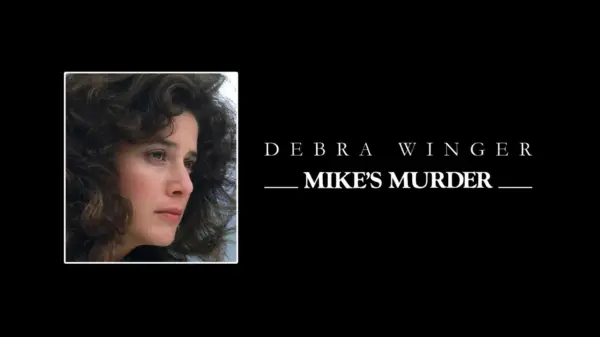




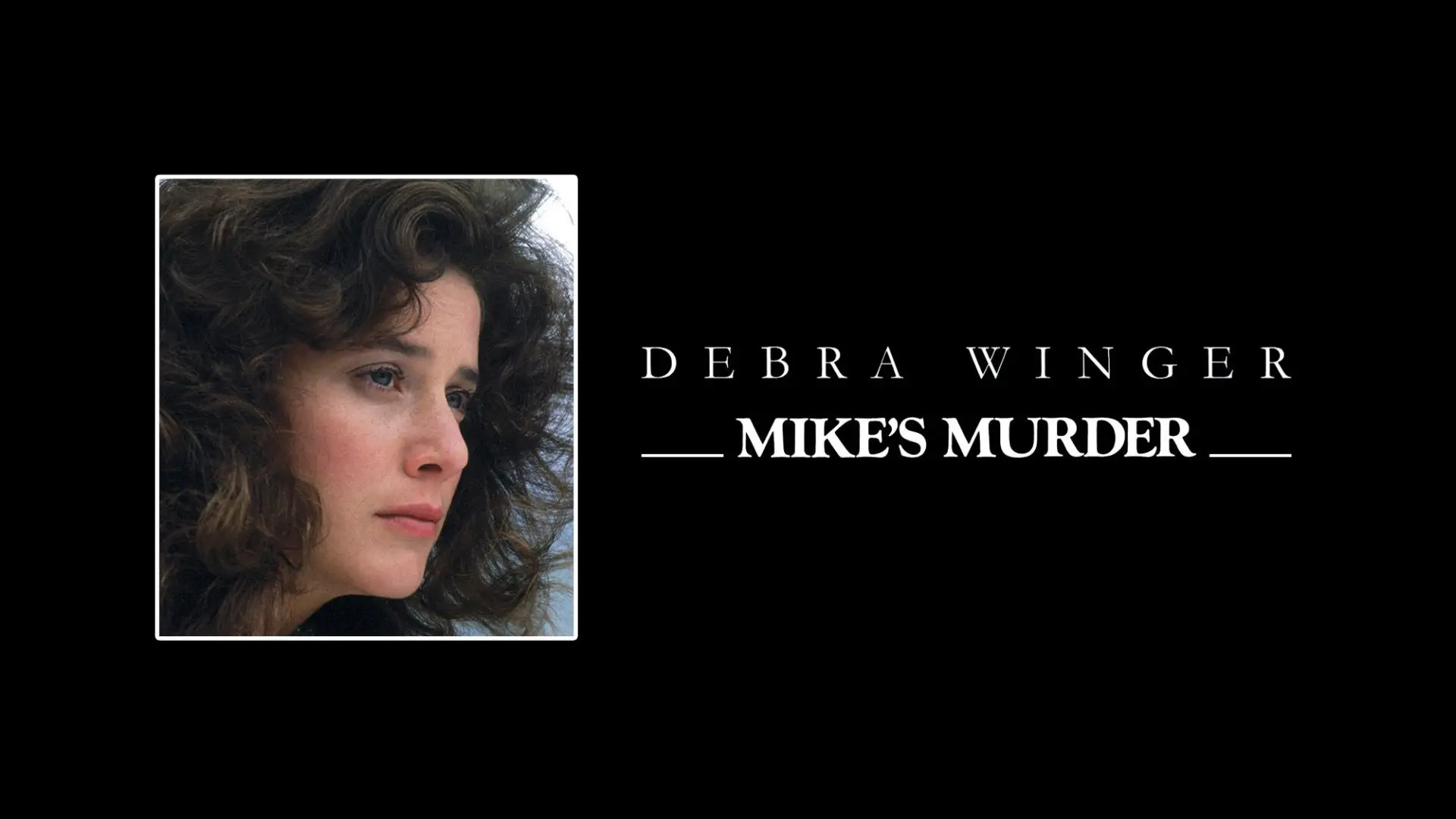
The plot intensifies as Betty learns of Mike’s tragic death and decides to investigate his final hours, refusal to accept that the sweet man she loved was living a double life.
Her amateur investigation plunges her directly into a dark, paranoid subculture of high-stakes drug deals and wealthy hedonism.
Along the way, she meets Philip Green (Paul Winfield), an enigmatic, sophisticated record executive who was once Mike’s patron and lover, offering Betty a much darker perspective on Mike’s true character.
As Betty digs deeper into Pete’s shady network, she draws the attention of dangerous criminals who suspect Mike left valuable contraband or money behind.
The narrative reaches a terrifying, suspenseful climax when Betty finds herself cornered in her own home, forced to confront the violent reality of the underworld Mike inhabited and fight for her own survival against a desperate killer.
Writer-director James Bridges delivers a slow-burn, atmospheric mystery that captures the superficial glamour and underlying seediness of 1980s Southern California.
Winger turns in a raw, highly grounded performance, infusing Betty with a compelling blend of quiet vulnerability and fierce determination.
Keyloun brings a breezy, tragic charisma to his limited screen time, while Winfield steals his scenes with a subtle, melancholic performance that elevates the film’s emotional depth.
Larson adds a nervous, unpredictable energy that keeps the paranoia running high throughout the second half.
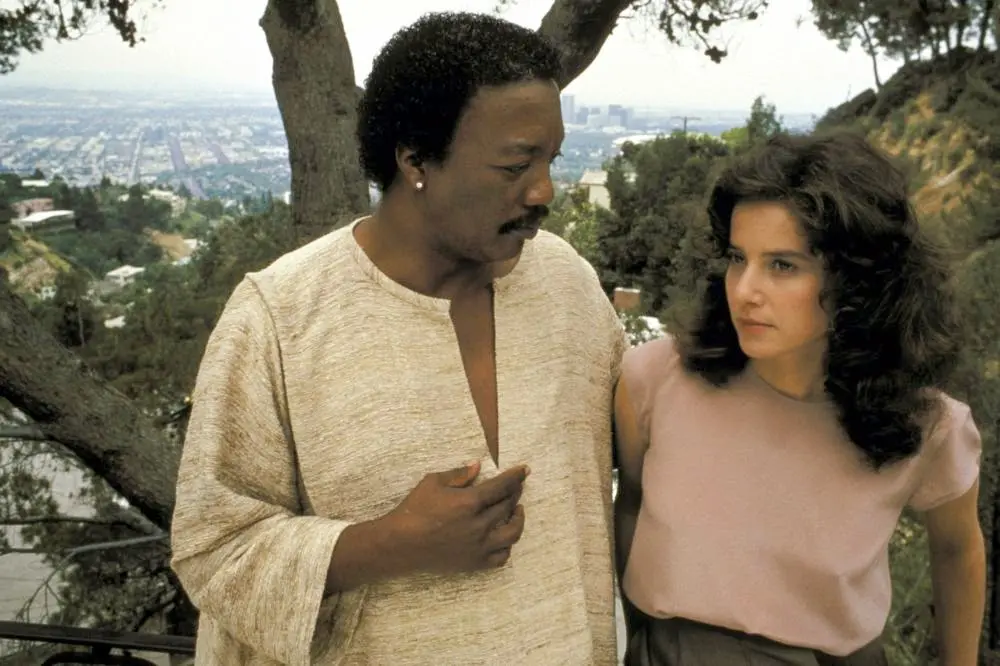
Paul Winfield and Debra Winger in Mike’s Murder (Photo/Warner Bros.)
Reception for Mike’s Murder
Mike’s Murder grossed $234,438 on its opening weekend, finishing 13th at the box office in limited release on 80 screens. The top grossing film of the weekend was Splash, which earned $6.2 million in its debut.
The film would gross $1.1 million in its theatrical run.
Legacy
Mike’s Murder‘s legacy rests on its status as a fascinating, underrated artifact of 1980s neo-noir cinema, noted for its unglamorous, realistic portrayal of addiction and urban alienation.
Known for its distinct production history – including a famously scrapped original score by John Barry replaced by a memorable rock soundtrack by Joe Jackson – the movie stands as an intriguing, character-focused entry in Bridges’ filmography.
Mike’s Murder remains a hidden gem among cinephiles, celebrated for Winger’s powerhouse lead performance, its moody photography, and its haunting exploration of grief and shattered illusions.