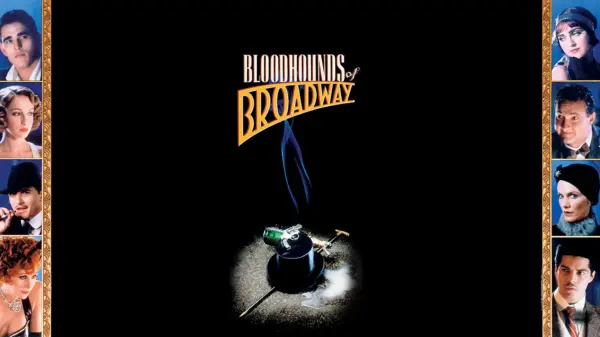





The plot weaves these interlocking vignettes into a lively tapestry of Prohibition-era misadventures as midnight approaches.
High-society figure Harriet MacKyle (Julie Hagerty) hosts a lavish party that unexpectedly becomes the convergence point for the city’s most eccentric figures, including glamorous performer Miss Dawn (Anita Morris) and handsome mobster Jack Bridgeport (Esai Morales).
As Regret scrambles to evade dangerous loan sharks and secure a future with Lovey, Feet frantically tries to renege on his bizarre medical contract before the doctor claims his end of the bargain.
The narrative culminates in a chaotic, celebratory midnight gathering where secrets are exposed, romantic pairs reconcile, and the colorful street characters of New York usher in 1929 with booze, jazz, and classic Damon Runyon charm.
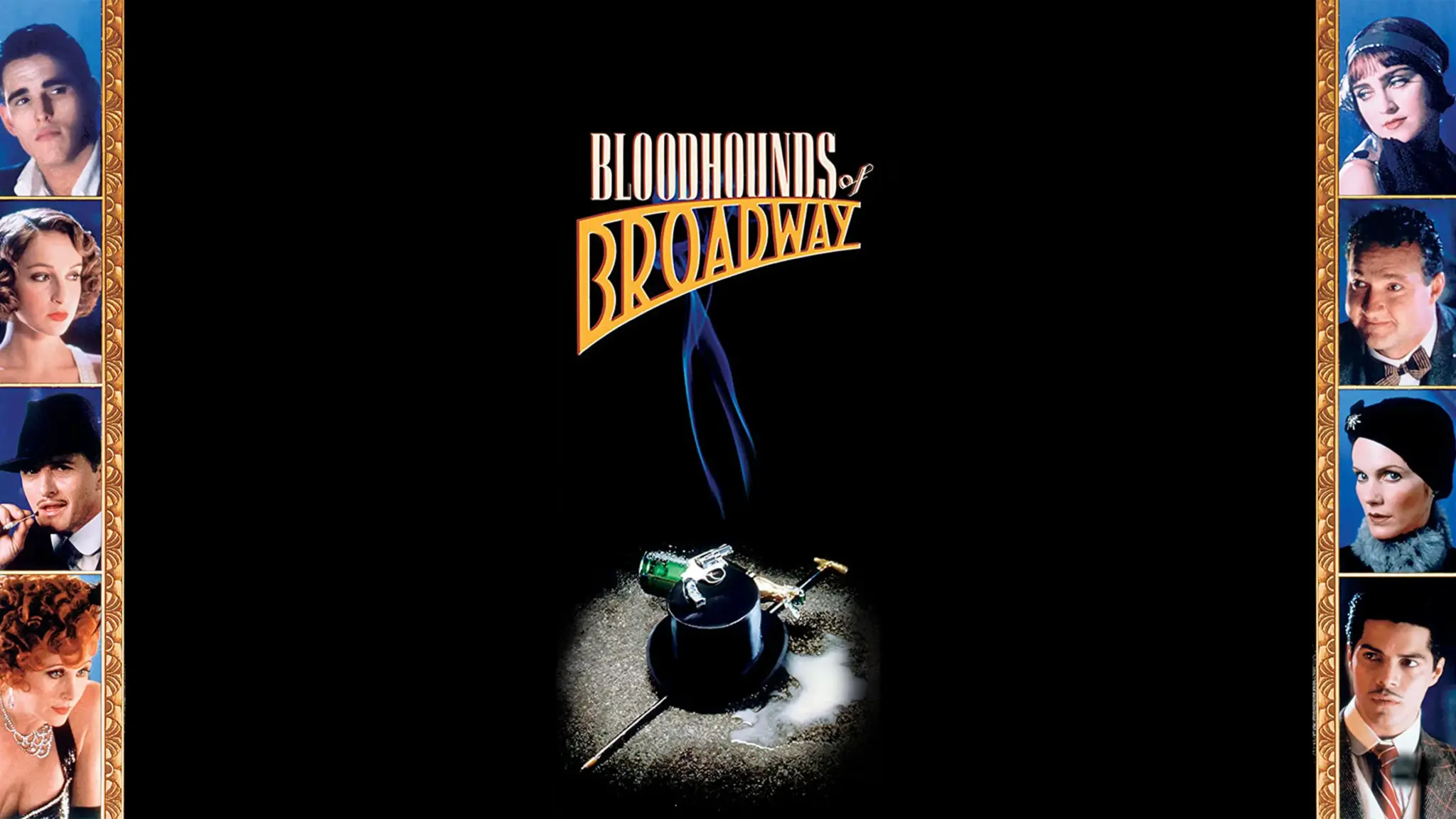
Director Howard Brookner captures the glossy nostalgia of Roaring Twenties New York with vibrant art direction and elegant period costuming.
Dillon brings a suave, charismatic charm to Regret, anchoring the romantic plotline alongside a wonderfully charming Grey.
Madonna shines in her musical sequences, delivering a dazzling performance alongside duet partner Grey, while Hauer brings a surprisingly poetic, melancholic gravity to his role as a dying mob chieftain.
Quaid provides standout comedic relief, playing his desperate character with endearingly naive energy.
Steve Buscemi, Josef Sommer, Tony Longo, Stephen McHattie, Dinah Manoff, Alan Ruck, Fisher Stevens, Michael Wincott, and Richard Edson round out the supporting cast.
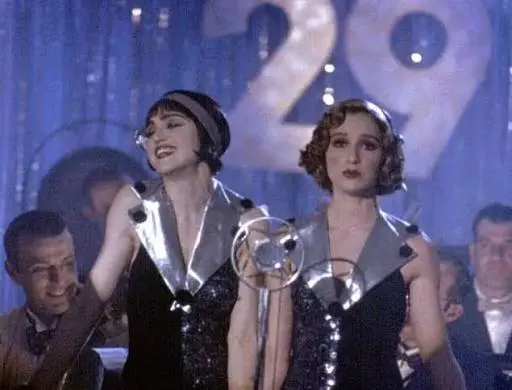
Madonna and Jennifer Grey in Bloodhounds of Broadway (Photo/Columbia Pictures)
Reception for
Bloodhounds of Broadway grossed $43,671 in its limited theatrical run.
Six months after its theatrical release, the film was televised as a presentation of PBS’s American Playhouse on May 23, 1990.
Legacy
rests on its unique position as a visually lavish, affectionate tribute to the celebrated short stories of Damon Runyon, capturing the same colorful dialect and theatrical underworld atmosphere that inspired Guys and Dolls.
Retrospectively appreciated for its stellar ensemble cast and authentic late-1920s jazz soundtrack, the production stands as a poignant cultural artifact due to being Brookner’s sole narrative feature before his untimely passing.
remains a warmly regarded piece of late-1980s period cinema, celebrated by film enthusiasts for its stylish aesthetic, nostalgic charm, and stellar musical moments.