

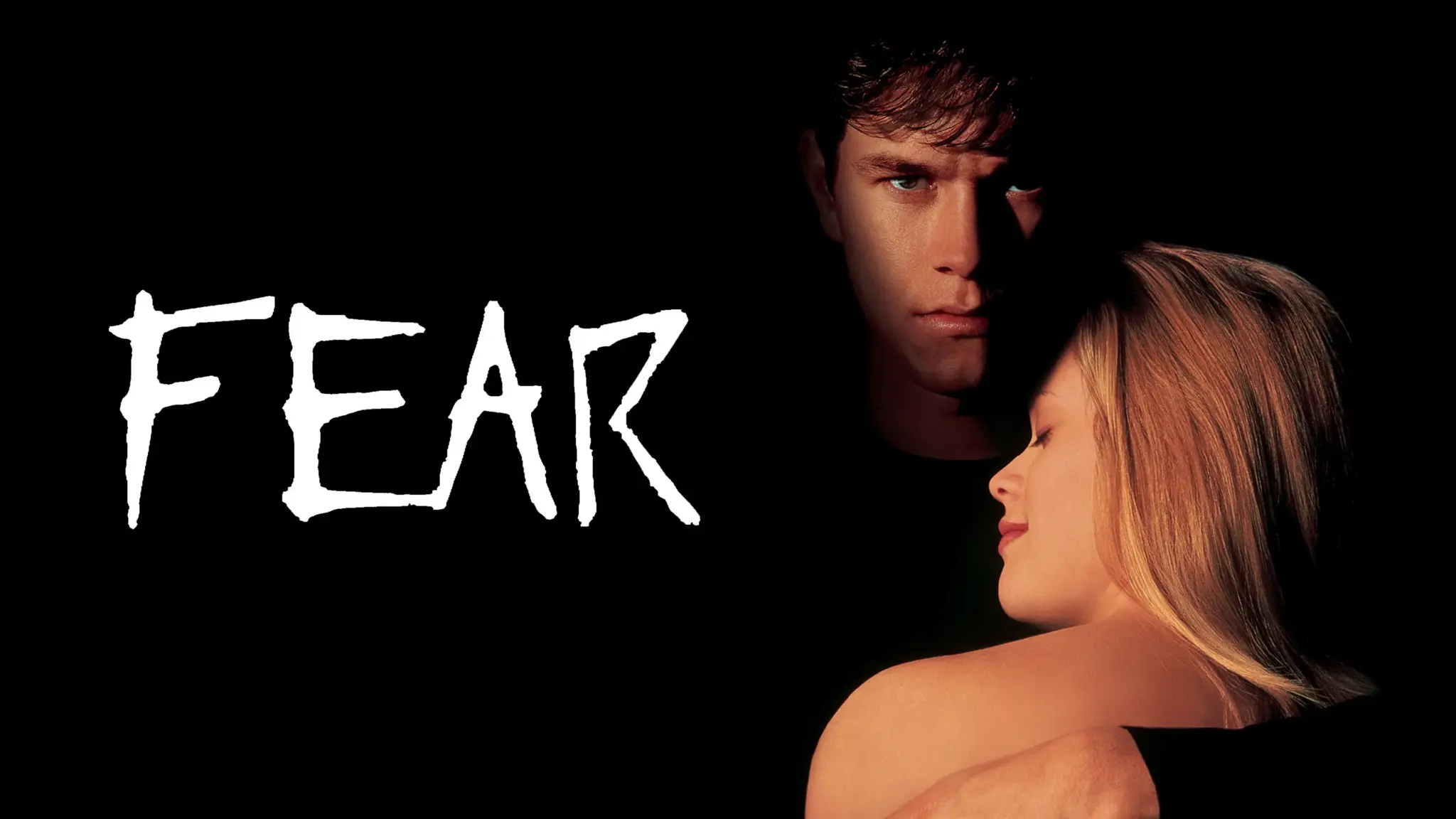
Fear (released in theaters on April 12, 1996) follows the harrowing transformation of a teenage romance into a violent nightmare for the Walker family. Nicole Walker (Reese Witherspoon), a naive sixteen-year-old yearning for excitement, meets David McCall (Mark Wahlberg) at a Seattle nightclub.
David is initially the picture of the perfect boyfriend—charming, intense, and deeply attentive—but as their relationship deepens, his possessive and sociopathic nature begins to surface.
Nicole’s father, Steve (William Petersen), is the only one who immediately senses the danger lurking behind David’s charismatic facade, leading to a bitter domestic conflict as Nicole defends her lover.
The tension escalates from psychological manipulation to physical violence, culminating in a terrifying home invasion where Steve must protect his family from David and his gang of thugs.
The plot serves as a dark cautionary tale about the dangers of adolescent infatuation and the fragile boundary between passion and madness.
Wahlberg delivers a breakout performance that remains one of the most menacing portrayals of an antagonist in nineties cinema, perfectly capturing David’s transition from a brooding heartthrob to a relentless predator.
Witherspoon is equally compelling, providing Nicole with a blend of youthful innocence and hard-won resilience.
Petersen brings a grounded, protective intensity to the role of Steve, making the father-daughter friction feel painfully authentic.
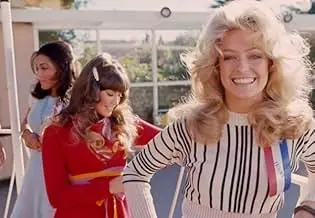
The supporting cast is rounded out by Alyssa Milano, who plays Nicole’s rebellious best friend Margo, and Amy Brenneman, who offers a nuanced performance as the stepmother trying to keep the family together.
Under the direction of James Foley, Fear maintains a suffocating atmosphere of dread that builds toward its explosive finale.

Alyssa Milano in Fear (Photo/Universal Pictures)
Reception for Fear
Fear grossed $6.3 million on its opening weekend, finishing fourth at the box office.
The film would gross $20.8 million in its theatrical run.
Legacy
Fear‘s legacy is its status as a definitive psychological thriller of the 1990s, often credited with launching both Wahlberg and Witherspoon into superstardom.
It revitalized the “boyfriend from hell” subgenre by infusing it with a raw, visceral energy and a high-stakes domestic siege that resonated with audiences.
The movie is frequently remembered for its iconic and unsettling scenes, which have become staples of pop culture discussions regarding teen thrillers.
Beyond its shock value, it remains a significant cultural touchstone for its exploration of class tension and the vulnerabilities of the suburban nuclear family.
Fear‘s enduring popularity is a testament to its ability to tap into universal anxieties, ensuring that it remains a suspenseful and relevant watch for new generations of thriller fans.