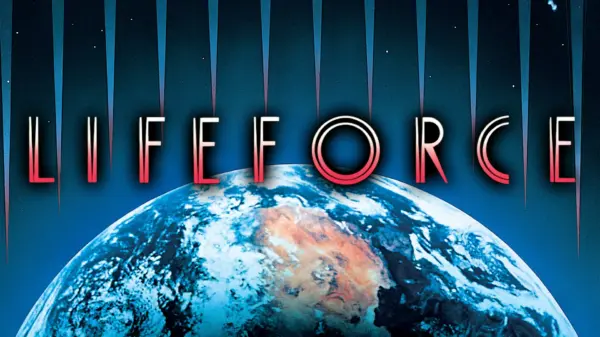






The plot explodes into apocalyptic chaos as SAS Colonel Colin Caine (Peter Firth) investigates the escape of the extraterrestrial vampire.
Caine teams up with a traumatized Carlsen, who survived the original shuttle disaster in an escape pod and now shares an intense, inescapable psychic link with the female alien.
Aided by pathologist Dr. Hans Fallada (Frank Finlay), Caine and Carlsen track the alien shapeshifter through a series of bizarre encounters, including a terrifying interrogation of an asylum director, Dr. Armstrong (Patrick Stewart), whose body is temporarily possessed by the creature.
The outbreak rapidly consumes London, plunging the city into violent hysteria as thousands of life-force-drained victims swarm the streets, channeling their stolen energy into a towering beam above St. Paul’s Cathedral.
Carlsen and Caine race into the burning cathedral for a final, tragic confrontation with the alien queen, forcing Carlsen to sacrifice himself to destroy her and seal the cosmic threat.
Director Tobe Hooper channels uninhibited B-movie madness with major studio funding, delivering an audacious fusion of Hammer Horror gothic tropes and grand, apocalyptic science fiction.
Railsback turns in an intensely unhinged performance as the tormented astronaut, while Firth provides a steady, deadpan heroic counterweight as the stiff-upper-lip SAS officer.
May delivers an ethereal, mesmerizing screen presence, and Stewart steals his brief scenes with memorable intensity.

Mathilda May in Lifeforce (Photo/Tri-Star Pictures)
Reception for Lifeforce
Lifeforce grossed $4.2 million on its opening weekend, finishing fourth at the box office. The top grossing film was Cocoon, which earned $7.9 million on its opening weekend.
The film would gross $11.6 million in its theatrical run.
Gene Siskel gave Lifeforce three out of four stars in his review, calling the film a “guilty pleasure.”
Legacy
Lifeforce‘s legacy of this film rests on its enduring reputation as one of the most wildly ambitious, visually spectacular cult classics of 1980s cinema.
Highly celebrated by genre enthusiasts for Henry Mancini’s majestic orchestral score and John Dykstra’s dazzling, state-of-the-art practical visual effects, the movie stands as a landmark testament to Cannon Films’ bold, uncompromising era of blockbuster filmmaking.
The film was based on the 1976 novel The Space Vampires by Colin Wilson.
Lifeforce remains fiercely beloved by horror and sci-fi fans, continually praised for its unabashed creative insanity, gothic atmosphere, and unique take on vampire mythology.