









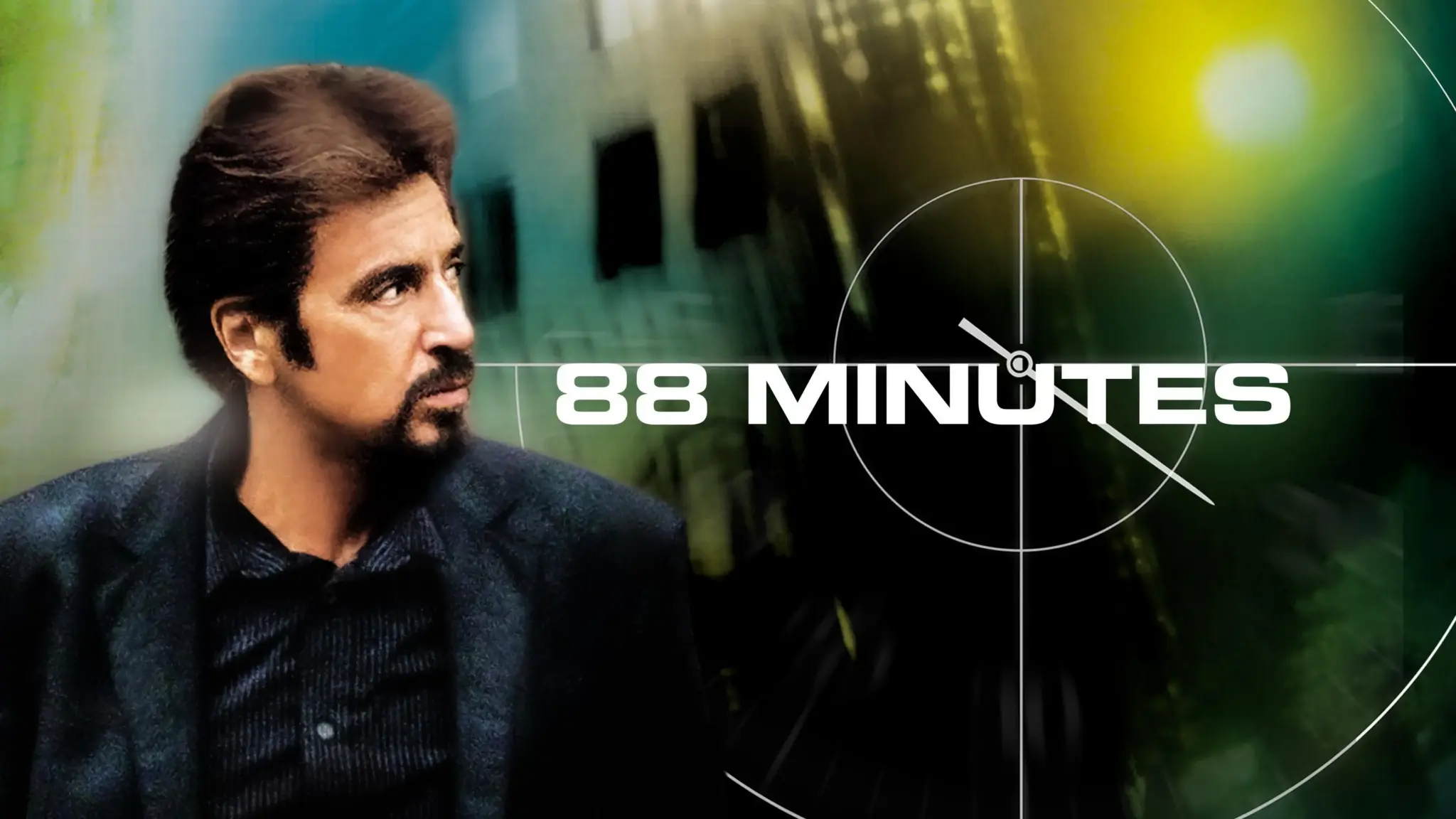
88 Minutes (released in theaters on April 18, 2002) follows Dr. Jack Gramm (Al Pacino), a high-profile forensic psychologist and university professor whose expert testimony once put a notorious serial killer, Jon Forster (Neal McDonough), on death row.
On the eve of Forster’s execution, Jack receives a chilling phone call on his cell phone informing him that he has exactly 88 minutes to live.
As the clock begins to tick down, a series of copycat murders occur, mirroring the methods of the “Seattle Slayer” and casting doubt on Jack’s original testimony.
Forced into a frantic race against time through the streets and corridors of Seattle, Jack must navigate a maze of suspicious students, disgruntled colleagues, and potential suspects within his own inner circle.
The plot is a high-stakes puzzle where Jack must use his psychological expertise to unmask a killer who is always one step ahead, all while the specter of his own impending death looms over every decision he makes.
Pacino leads the film with his signature high-wattage intensity, portraying Gramm as a man whose brilliance is matched only by his mounting desperation.
He is supported by a talented ensemble that keeps the audience guessing, including Alicia Witt as his devoted assistant and Leelee Sobieski as one of his more enigmatic students.
Amy Brenneman and Deborah Kara Unger add layers of professional and personal tension to Jack’s life.
The cast is rounded out by seasoned performers like William Forsythe and Benjamin McKenzie, who help populate the film’s paranoid landscape.
Under the direction of Jon Avnet, 88 Minutes maintains a relentless, real-time energy that emphasizes the frantic nature of the protagonist’s predicament.
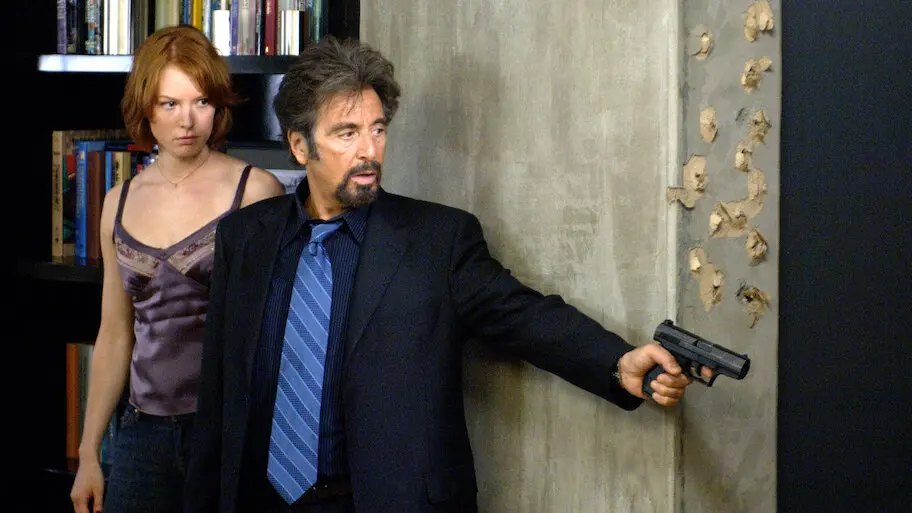
Al Pacino and Alicia Witt in 88 Minutes (Photo/Sony Pictures)
Reception for 88 Minutes
88 Minutes grossed $7 million on its opening weekend, finishing fourth at the box office.
The film would gross $32.6 million worldwide.
Legacy
88 Minutes‘ legacy of the film is its status as a quintessential example of the “ticking clock” thriller that dominated the mid-2000s cinematic landscape.
It is frequently discussed as a significant entry in Pacino’s later career, showcasing his ability to anchor a genre-driven commercial film with his undeniable screen presence.
The movie’s legacy is also tied to its unique production and release history, becoming a cult curiosity for its stylized portrayal of Seattle and its commitment to a fast-paced, twist-heavy narrative.
88 Minutes remains a popular choice for fans of the psychological thriller genre who enjoy the “whodunit” aspect of the plot combined with a literal race against time.
By leaning into the tropes of the forensic procedural, the film helped pave the way for similar high-concept thrillers on both the big and small screens, serving as a reminder of the enduring appeal of watching a master professional work under extreme, life-or-death pressure.