



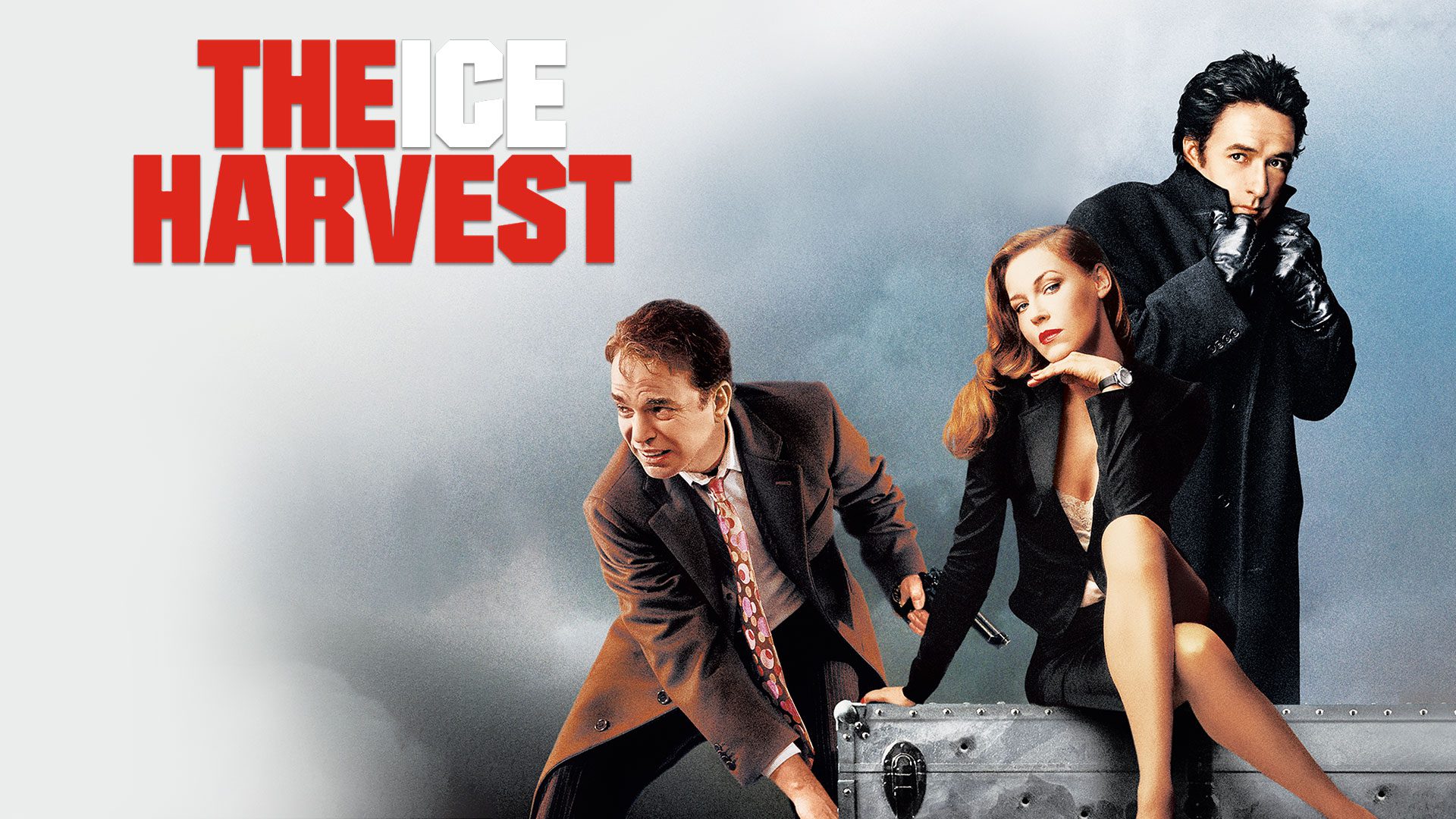
The Ice Harvest, released in theaters on Nov. 23, 2005, is a grimly funny slice of Christmas Eve crime, a neo‑noir black comedy that swaps holiday warmth for black ice, bad decisions, and the sour aftertaste of regret. Set in Wichita, Kansas, it follows small‑time sharks circling each other over a mob score, with John Cusack’s nervy lawyer and Billy Bob Thornton’s smooth operator drowning in booze, snow, and paranoia.
The film’s mixture of deadpan humor, sudden violence, and wintry malaise makes it a distinctive, if divisive, entry in both Harold Ramis’ directorial filmography and mid‑2000s crime cinema.
Charlie Arglist (Cusack) is a mob lawyer who has finally acted on a long‑nursed fantasy: with his partner Vic Cavanaugh (Thornton), he’s stolen around two million dollars from their brutal boss, Bill Guerrard (Randy Quaid), on Christmas Eve.
Their plan is simple—lie low for a few hours in frozen Wichita until the roads clear, then disappear—but the treacherous weather strands them in town, stretching those hours into a long, alcohol‑soaked night where nerves fray and loyalties wobble.
As Charlie drifts between strip clubs and bars, he circles Renata (Connie Nielsen), the coolly enigmatic manager of the Sweet Cage, who senses he is hiding something and nudges him toward involving her in his escape.
Along the way Charlie is saddled with his blotto best friend Pete (Oliver Platt), who happens to be married to Charlie’s ex‑wife, while a relentless enforcer and the looming arrival of Guerrard turn the icy streets into a killing floor where double‑crosses, bodies, and grim punchlines pile up.
Cusack plays Charlie as a man permanently wincing at his own life choices, blending his familiar sad‑sack charm with a worn‑down cynicism that suits the material.
Thornton underplays Vic with laconic menace, a guy who turns on the charm just enough to make his cowardice and opportunism feel inevitable rather than shocking.
Nielsen gives Renata an opaque allure that keeps viewers guessing whose side she is really on, while Quaid brings a hulking, unpredictable rage to Guerrard that tilts the film toward genuine danger whenever he appears.
Oliver Platt nearly walks off with the movie as Pete, a catastrophically drunk buffoon whose self‑loathing Christmas spiral provides some of the pitch‑black comedy’s sharpest, most painful laughs.
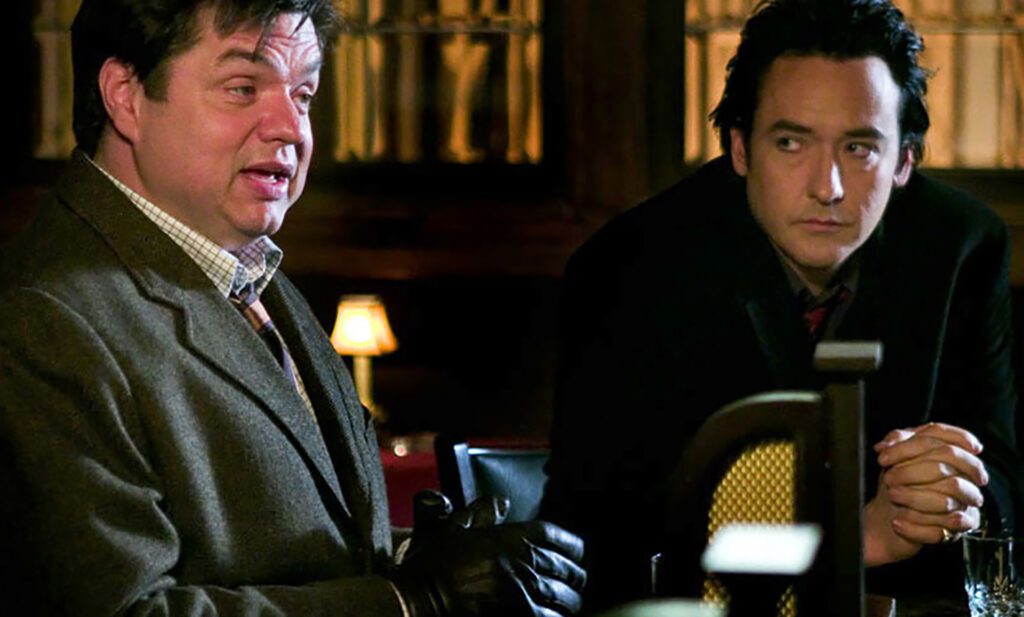
Oliver Platt and John Cusack in The Ice Harvest (Photo/Focus Features)
Reception for The Ice Harvest
The Ice Harvest grossed $5.5 million on its opening weekend, finishing tenth at the box office.
The film would gross $10.2 million in its theatrical release.
Roger Ebert gave The Ice Harvest three out of four stars in his review.
Legacy
Upon release, The Ice Harvest underperformed commercially and divided critics, some put off by its sourness and leering strip‑club milieu despite the holiday marketing.
For others, its refusal to soften its characters or offer a redemptive Christmas catharsis has become part of its appeal, marking it as a refreshingly mean, downbeat counter‑programming choice in a season usually dominated by sentimentality.
In retrospect, the film stands as an intriguing outlier in Ramis’s career, closer in spirit to hard‑boiled noir adaptations than to his broader comedies, and as a late‑period entry in the trend of morally bankrupt, dialogue‑driven crime stories that followed the 90s noir revival.
While it never achieved mainstream holiday‑classic status, The Ice Harvest has accrued a modest cult following among fans of off‑season noir and those who prefer their Christmas movies spiked with gallows humor, melted snow, and very little goodwill toward men.