

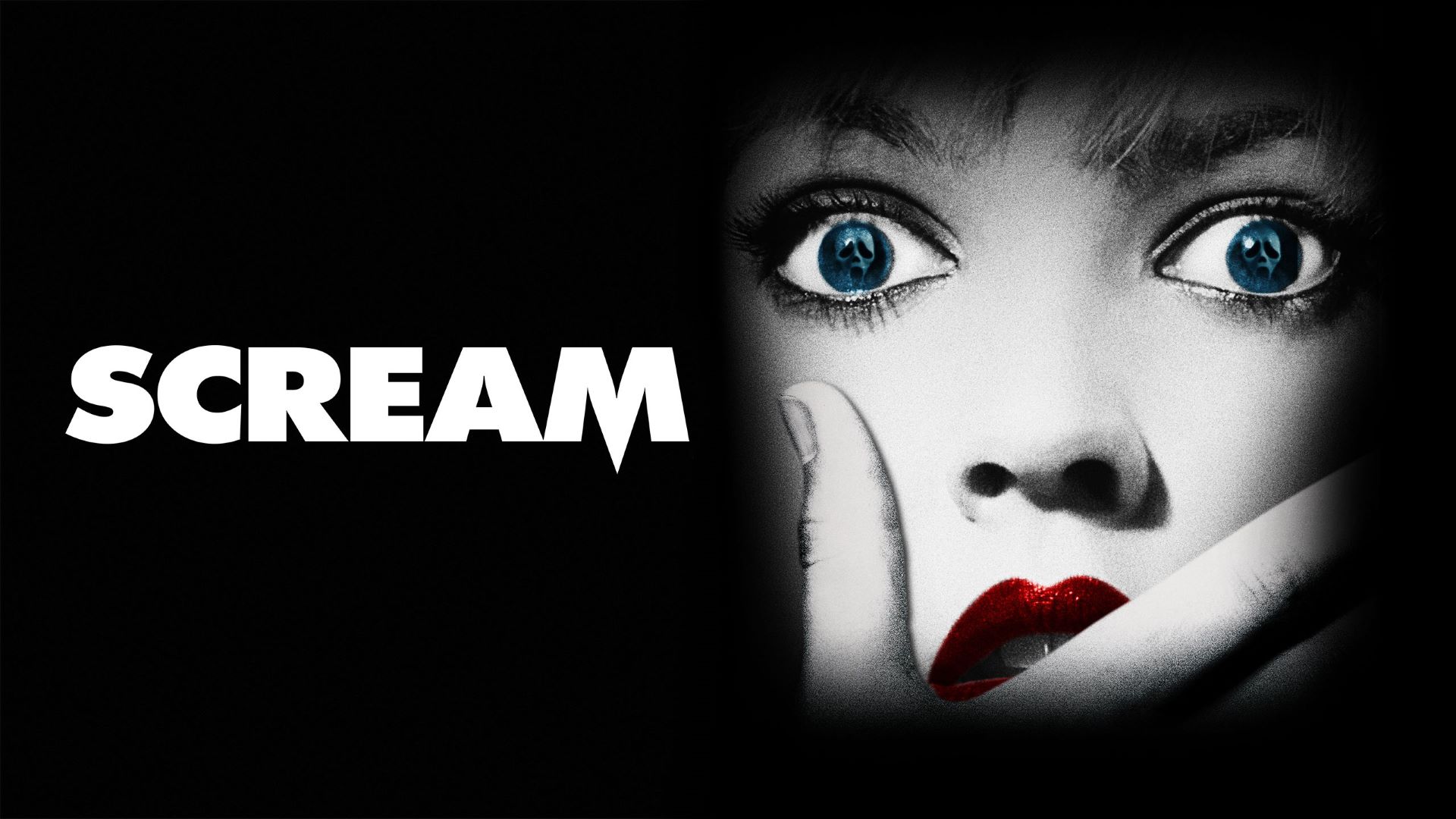
Scream (released in theaters on Dec. 20, 1996) opened when the horror genre was largely considered dead, buried under a mountain of stagnant sequels and predictable tropes. Directed by the legendary Wes Craven and written by Kevin Williamson, this self-aware slasher didn’t just break the rules – it recited them back to the audience before subverting them entirely, changing the landscape of cinema forever.
The quiet town of Woodsboro is rocked by the brutal murder of high schooler Casey Becker (Drew Barrymore) after a terrifying, trivia-laden phone call from a masked killer.
The focus soon shifts to Sidney Prescott (Neve Campbell), whose own mother was murdered exactly one year prior.
As a new masked figure, known as Ghostface, begins picking off Sidney’s friends, the survivors realize they are trapped in a real-life horror movie where the killer is playing by a specific set of cinematic rules.
Sidney finds herself surrounded by a circle of suspects and victims: her boyfriend Billy Loomis (Skeet Ulrich), the eccentric Stu Macher (Matthew Lillard), the feisty Tatum Riley (Rose McGowan), and the film-obsessed Randy Meeks (Jamie Kennedy), who provides the meta-commentary on how to survive.
Meanwhile, fame-hungry reporter Gale Weathers (Courteney Cox) and the well-meaning but bumbling Deputy Dewey Riley (David Arquette) conduct their own investigations, leading them toward Cotton Weary (Liev Schreiber), the man Sidney helped convict for her mother’s death.
Supported by characters like Kenny the cameraman (W. Earl Brown), the group converges at a house party where the “rules” of the genre are put to the ultimate, bloody test in a shocking finale that unmasks a new kind of evil.
Cameos in the film included Henry Winkler as principal Arthur Himbry and Linda Blair as an ‘Obnoxious Reporter.’
Beyond its structural brilliance, the film is remembered for launching a powerhouse franchise and establishing a “Big Three” of survivors – Sidney, Gale, and Dewey – whose chemistry and growth became the heart of the series. Ghostface became an immediate cultural icon, joining the ranks of Freddy and Jason as a staple of Halloween.
The film’s huge success spawned Scream 2 (1997), Scream 3 (2000), Scream 4 (2011), Scream (2022), Scream VI (2023), and Scream 7 (2026), as well as a television series that aired on MTV for three seasons.
The MPAA ratings board sent it back nine times as NC-17 before allowing it to go out with an R rating.
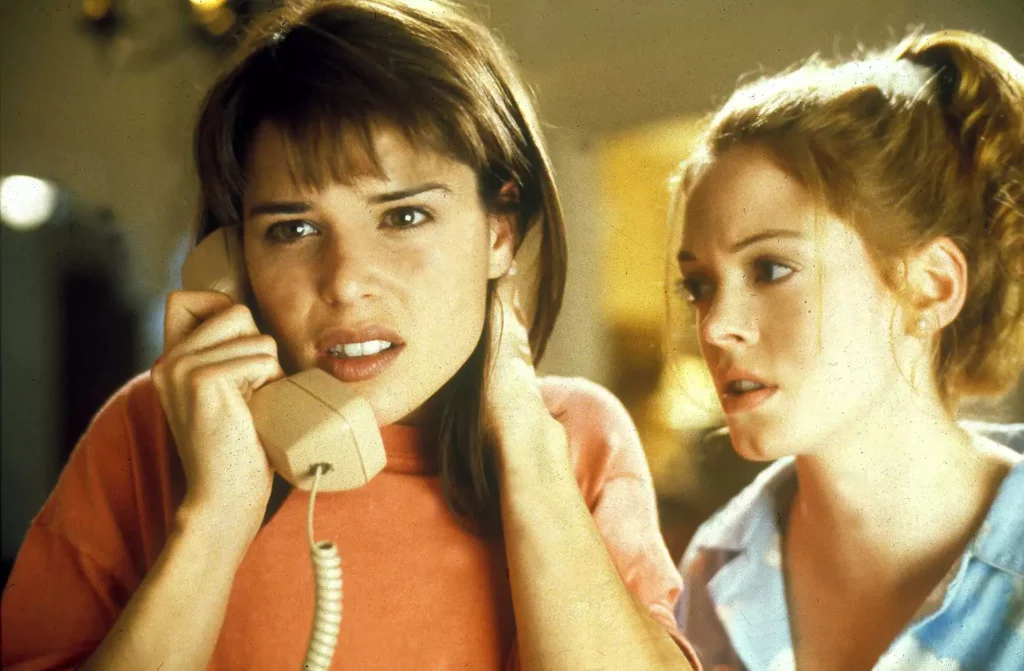
Neve Campbell and Rose McGowan in Scream (Photo/Dimension Films)
Reception for Scream
Scream grossed $6.4 million on its opening weekend, finishing fourth at the box office.
The film would remain in the top 10 for its initial eight weeks en route to grossing $173 million worldwide.
Roger Ebert gave Scream three out of four stars in his review.
Lasting Legacy
The legacy of Scream is nothing short of revolutionary.
It single-handedly resurrected the horror genre by introducing “meta-fiction” to a mainstream audience, acknowledging its own status as a movie while still delivering genuine scares.
This self-referential style paved the way for a decade of clever, self-aware horror and revitalized the teen-centric slasher, influencing everything from I Know What You Did Last Summer to the Scary Movie parodies.
By blending biting wit, sharp social commentary, and visceral suspense, Scream proved that a horror movie could be smart, funny, and terrifying all at once. It remains the definitive blueprint for modern horror, teaching audiences that the most dangerous thing you can do is assume you know what happens next.