





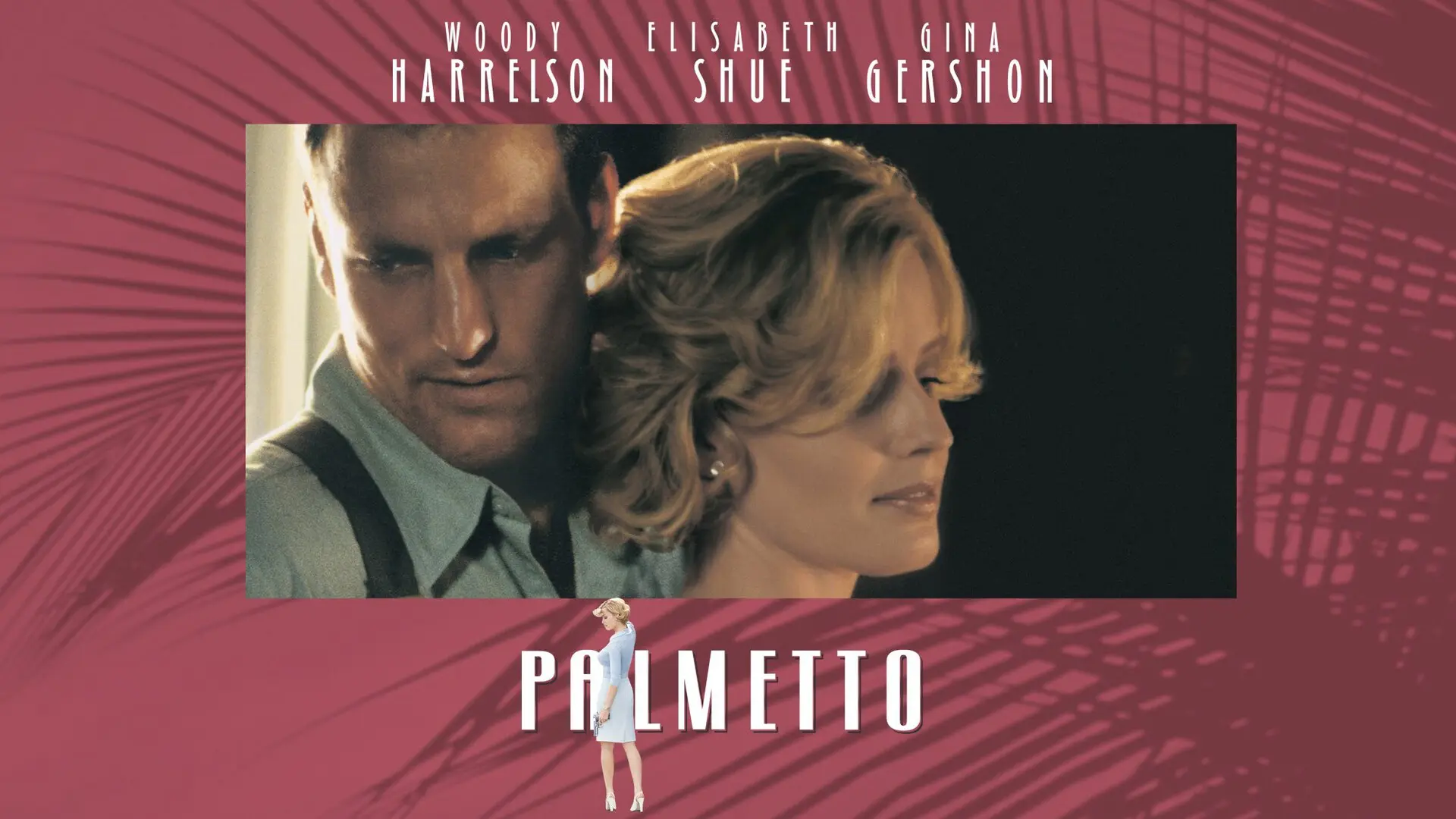
The plot thickens into a deadly, claustrophobic trap when Harry accepts the cash and plays his part, only to discover the real body of Odette dumped right in his path.
Realizing that he has been elaborately set up to take the fall for a real murder, Harry panics as the local police force, led by the sharp, suspicious detective Miles Donnelly (Marc Macaulay), begins investigating the crime.
Desperate to cover his tracks and clear his name, Harry enlists the help of Donnie (Michael Rapaport), an old neighborhood friend, but every desperate move he makes only digs his grave a little deeper.
He quickly finds himself completely caught between the police, a string of mysterious tape recordings, and Rhea’s increasingly lethal deceptions.
The narrative builds to a sweating, high-stakes climax in an abandoned mansion, where Harry must deploy his old investigative journalism instincts to outsmart the mastermind behind the conspiracy before he is framed permanently.
Director Volker Schlöndorff brings an interesting, European arthouse eye to this classic American pulp formula, capturing the sweltering, sticky atmosphere of the Florida landscape perfectly.
Harrelson gives a fantastic, deeply engaging performance as the classic, easily manipulated noir protagonist who is constantly out of his depth.
Shue radiates a dangerous, ice-cold charm as the seductive villain, while Gershon provides a remarkably grounded, supportive emotional anchor to the film’s chaotic events.
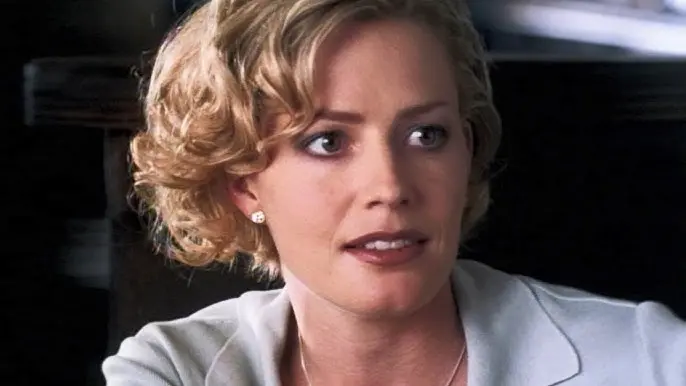
Elisabeth Shue in Palmetto (Photo/Sony Pictures)
Reception for Palmetto
Palmetto grossed $2.9 million on its opening weekend, finishing eighth at the box office. The top film was Titanic, which earned $21 million on its tenth weekend.
The film would gross $5.9 million in its theatrical run.
Roger Ebert gave Palmetto two out of four stars in his review.
Legacy
Palmetto‘s legacy on its unique position as a highly stylish, cult-classic artifact of the late-1990s neo-noir renaissance.
Adapted from the classic pulp novel Just Another Sucker by James Hadley Chase, it is warmly celebrated by genre enthusiasts for its unapologetic embrace of classic Raymond Chandler and Dashiell Hammett tropes, successfully updating hardboiled detective fiction for a modern, sun-bleached era.
While contemporary critics were initially divided by its dense, labyrinthine narrative, modern audiences deeply appreciate the movie for its moody, atmosphere-driven cinematography, its sharp, hard-edged dialogue.
Palmetto is remembered as a slice of late-nineties cinema, praised for its stylish visual direction and its timeless reminder that greed always carries a deadly price.