



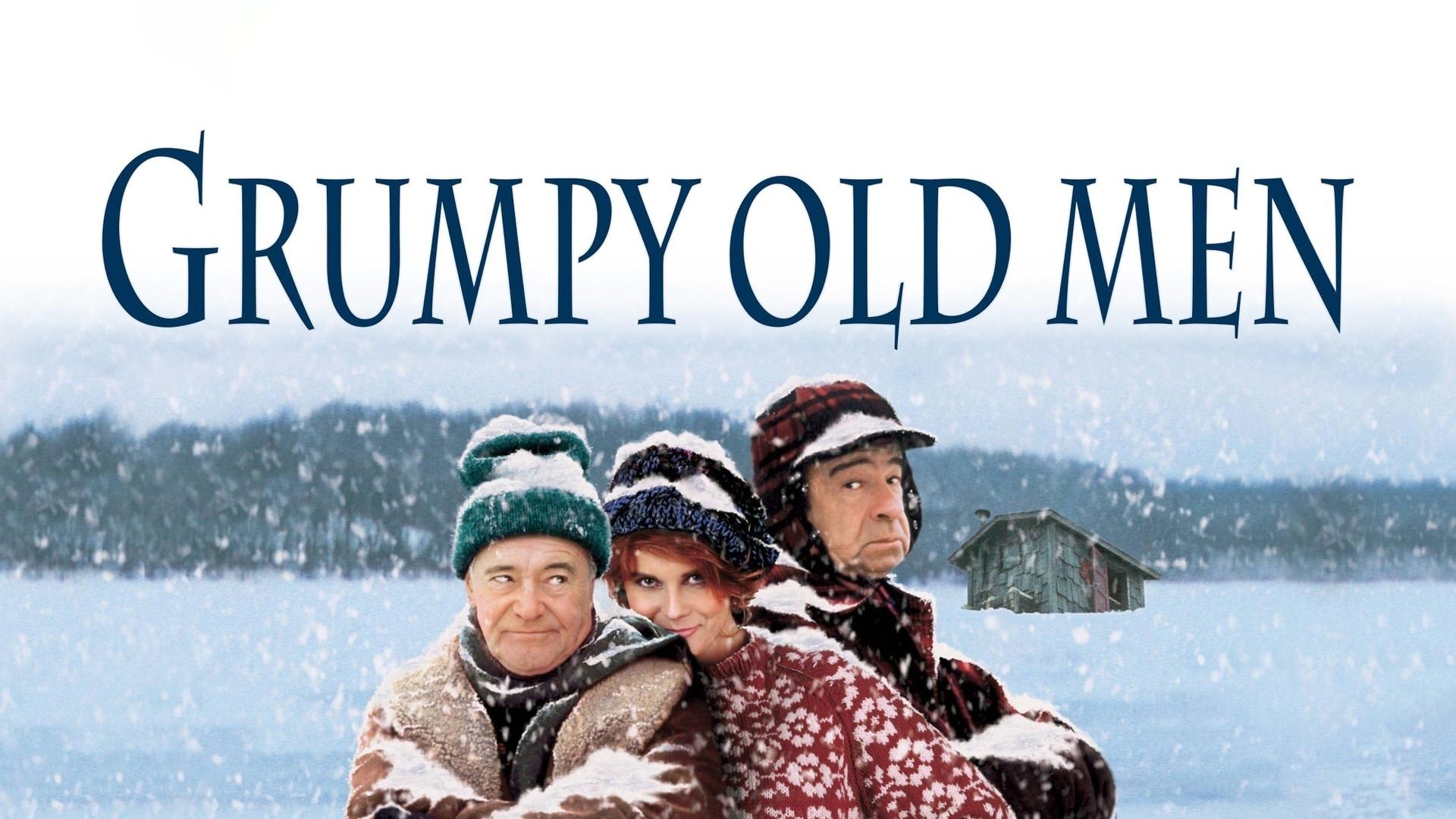
Grumpy Old Men (released in theaters on Dec. 25, 1993) is more than just a comedy about aging; it is a sharp, affectionate tribute to lifelong friendship, anchored by the legendary pairing of Jack Lemmon and Walter Matthau.
The story is set in the frozen landscape of Wabasha, Minnesota, where neighbors John Gustafson (Lemmon) and Max Goldman (Matthau) have been feuding for over fifty years.
Their days are spent in a ritualistic cycle of creative insults, elaborate practical jokes, and competitive ice fishing on the local lake.
The origins of their rivalry are murky, but the bitterness is ingrained in their very identities.
The status quo is shattered when Ariel Truax (Ann-Margret), a free-spirited and beautiful professor, moves in across the street.
Her presence ignites a frantic, hilariously desperate competition between the two widowers for her affection.
While John struggles with financial troubles and Max deals with his own stubborn pride, their children, played by Daryl Hannah and Kevin Pollak, watch the chaos with a mix of exhaustion and amusement.
The ensemble is rounded out by the scene-stealing Burgess Meredith as John’s randy, whiskey-drinking father, and Ossie Davis, Buck Henry, and Christopher McDonald.
As the rivalry reaches a boiling point, a health scare forces both men to realize that their constant bickering is actually the glue holding their lives together.
Director Donald Petrie achieved a cinematic feat that felt both nostalgic and refreshingly vibrant by reuniting one of Hollywood’s greatest duos.
The film was followed by Grumpier Old Men in 1995 with Sophia Loren joining the cast.
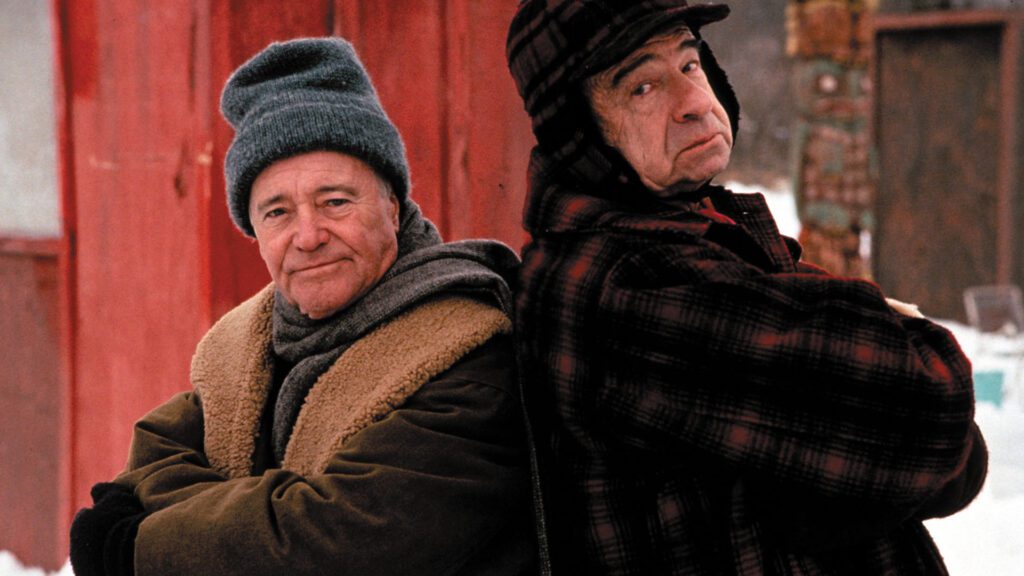
Jack Lemmon and Walter Matthau in Grumpy Old Men (Photo/Warner Bros.)
Reception for Grumpy Old Men
Grumpy Old Men grossed $3.8 million on its opening weekend, finishing sixth at the box office.
The film would gross $70.2 million in its theatrical run.
Roger Ebert gave the film two out of four stars in his review.
Legacy
Grumpy Old Men‘s legacy lies in its successful revitalization of the “buddy comedy” for an older demographic, proving that audiences were hungry for character-driven stories regardless of the protagonists’ age.
It breathed new life into the careers of Lemmon and Matthau, showcasing a shorthand and comedic timing that had only sharpened since their collaboration in The Odd Couple decades earlier.
Beyond the laughs, the film is remembered for its warm portrayal of Midwestern life and the legendary outtakes during the credits, which highlighted the cast’s improvisational brilliance.
It remains a definitive example of how star power and a heartfelt script can turn a simple premise into a perennial classic, reminding viewers that the fire of competition and the need for companionship never truly fades.