



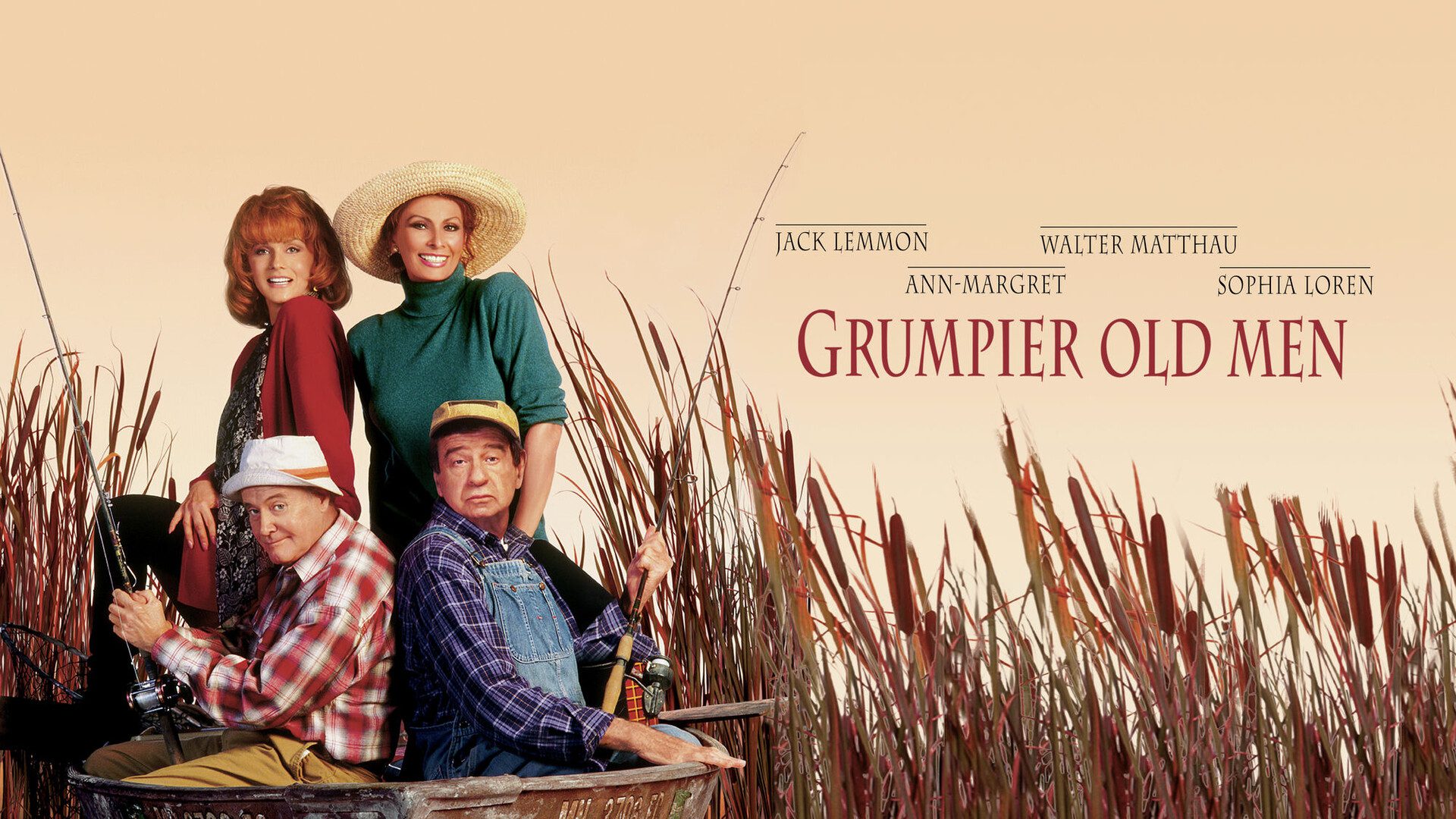
Grumpier Old Men (released in theaters on Dec. 22, 1995) accomplishes the rare feat of a sequel that feels like a warm homecoming. By shifting the focus from bitter rivalry to the complexities of late-life romance and the defense of local tradition, the film manages to deepen the iconic rapport between Jack Lemmon and Walter Matthau while adding international flair to the frozen landscape of Wabasha.
The story picks up shortly after the original, with John Gustafson (Lemmon) happily married to Ariel (Ann-Margret).
While John has found domestic peace, his best friend and lifelong rival Max Goldman (Matthau) remains a lonely bachelor, still bickering over the best spots for ice fishing.
Their relative tranquility is disrupted by the arrival of Maria Ragetti (Sophia Loren), a fiery Italian bombshell who intends to convert the town’s beloved bait shop into a high-end ristorante.
Max and John immediately declare war on the newcomer, employing a series of increasingly ridiculous sabotage tactics to protect their sanctuary.
However, as the “Grumpy Old Men” attempt to drive Maria out of town, Max finds himself unexpectedly smitten by her strong will and culinary prowess.
The romantic stakes are mirrored by their children, Melanie (Daryl Hannah) and Jacob (Kevin Pollak), whose own wedding plans provide the backdrop for the escalating chaos.
Throughout the madness, John’s irrepressible father (Burgess Meredith) continues to provide bawdy wisdom and comedic relief, even as the two leads find themselves fighting to land “Catfish Hunter,” a legendary local fish that symbolizes their elusive pursuit of satisfaction.
Howard Deutch (Some Kind of Wonderful, Pretty in Pink, The Great Outdoors, The Replacements) directed the film.
This film follows Grumpy Old Men from 1993.
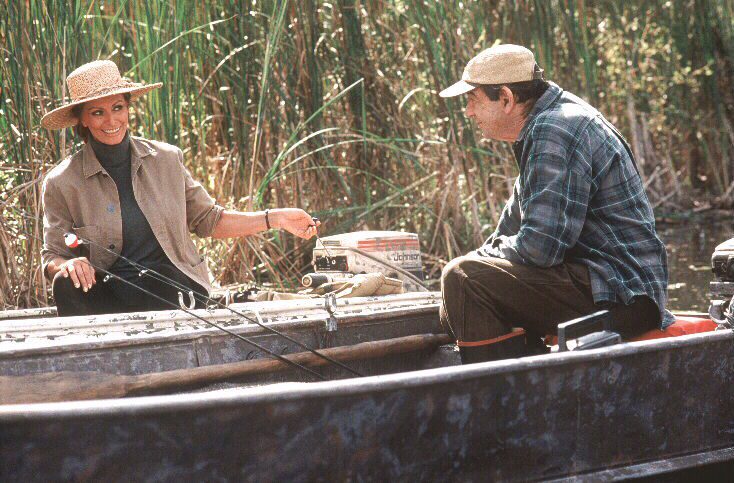
Sophia Loren and Walter Matthau in Grumpier Old Men (Photo/Warner Bros.)
Reception for Grumpier Old Men
Grumpier Old Men grossed $7.8 million on its opening weekend, finishing fourth at the box office.
The film would gross $71.5 million in its theatrical run.
Roger Ebert gave the film two out of four stars in his review.
Legacy
Grumpier Old Men is defined by its status as a high-water mark for the “silver cinema” movement. It solidified the fact that audiences were deeply invested in the twilight years of the Lemmon-Matthau partnership, which remains one of the most enduring and beloved pairings in film history.
The addition of Loren was a stroke of genius, elevating the film from a standard sequel to a sophisticated romantic comedy that proved glamour and magnetism are timeless.
Furthermore, the film is remembered for its incredible warmth and its celebration of small-town camaraderie. It managed to maintain the ribald, “locker room” humor that fans loved while leaning further into the sentimental reality of aging and legacy.
By the time the credits roll—accompanied by another set of legendary, hilariously profane outtakes—the film leaves a lasting impression as a joyous tribute to the idea that it is never too late for a second chance, a new love, or one last great prank on your best friend.