





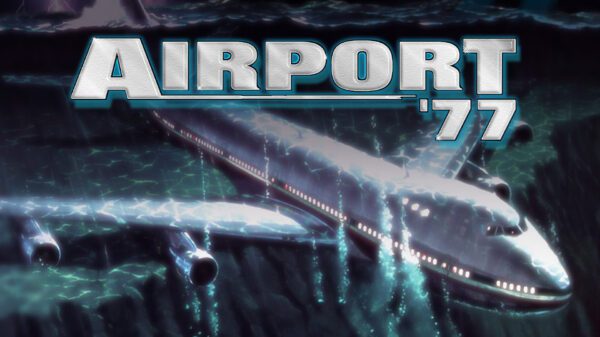



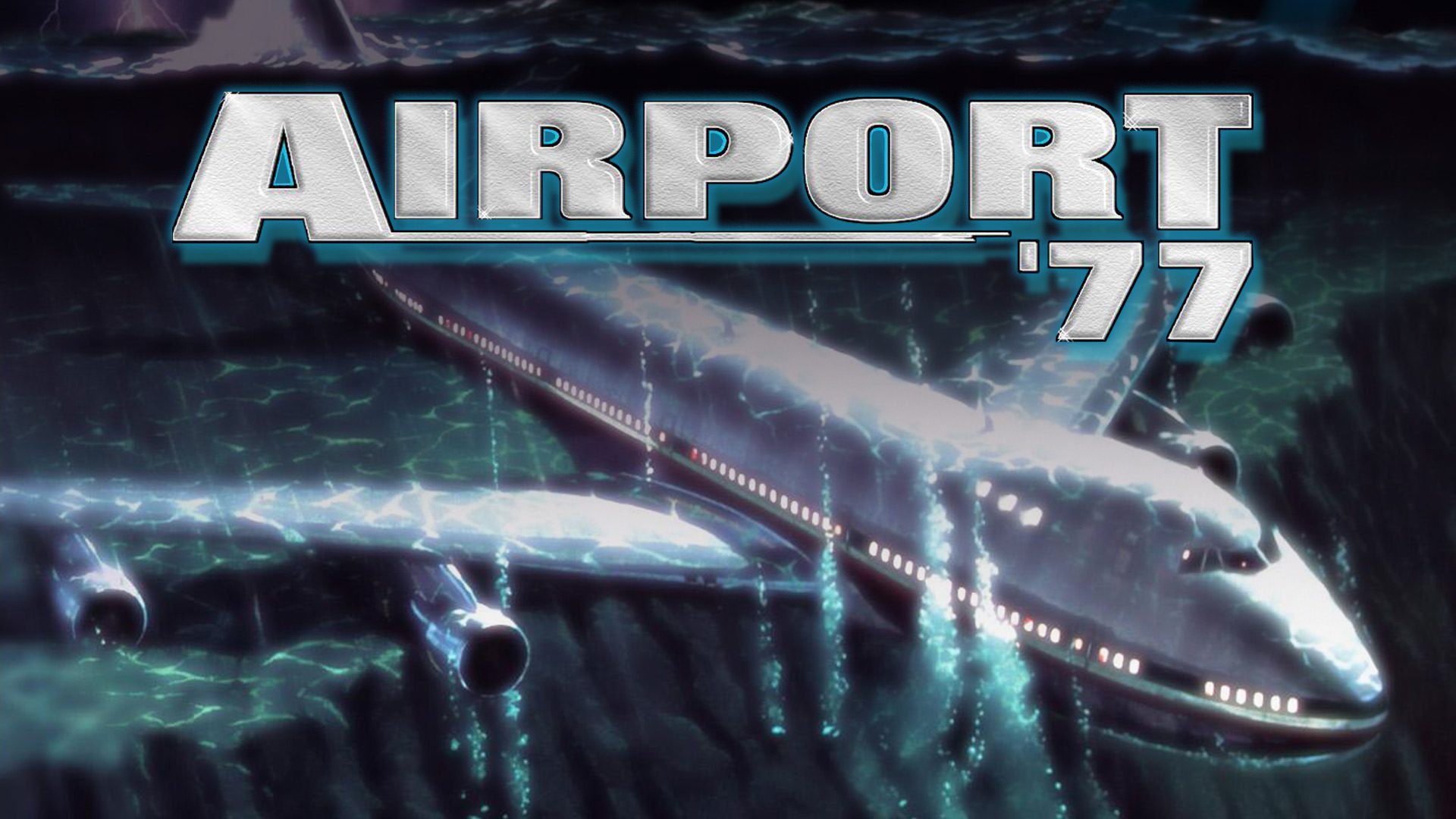
Airport 77 (released on March 11, 1977) launches into the stratosphere of 1970s disaster cinema with a high-stakes heist that goes watery and south.
The plot centers on a luxury Boeing 747 owned by wealthy philanthropist Philip Stevens (James Stewart), which is packed with priceless art and a guest list of elite dignitaries, including old flames and corporate rivals played by Hollywood royalty like Olivia de Havilland and Joseph Cotten.
During a flight to Palm Beach, a group of sophisticated hijackers led by the co-pilot attempts to steal the art collection by flying the plane low to avoid radar.
Their plan ends in catastrophe when the wing clips a drilling rig in the Bermuda Triangle, sending the massive jet screaming into the ocean.
Captain Don Gallagher (Jack Lemmon) must lead the survivors as the plane settles on a shallow sandbar, slowly leaking water while the air supply begins to dwindle.
The tension on the seabed is palpable as the ensemble cast including Christopher Lee as a skeptical passenger and Brenda Vaccaro as Gallagher’s love interest battles claustrophobia and rising tides.
Back on the surface, the search effort is spearheaded by Joe Patroni (George Kennedy, reprising his franchise role) and the Navy, utilizing high-tech rescue gear to lift the entire aircraft from the depths before the hull collapses under the immense pressure.
Robert Foxworth, Lee Grant, Monte Markham, Kathleen Quinlan, Gil Gerard, Pamela Bellwood, Michael Pataki and M. Emmett Walsh round out the cast.
Jerry Jameson directed Airport 77.
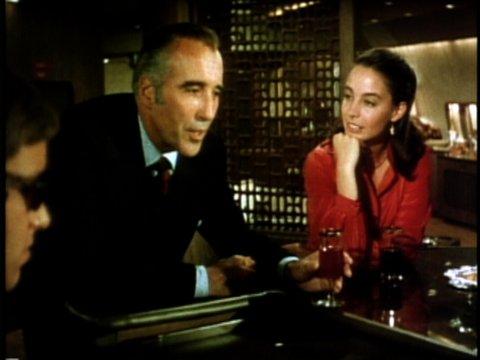
Christopher Lee in Airport 77 (Photo/Universal Pictures)
Reception for Airport 77
Airport 77 grossed $91.1 million in its theatrical run.
Roger Ebert gave Airport 77 two out of four stars in his review.
Legacy
The legacy of Airport 77, the third installment in the Airport franchise is defined by its ambitious shift from mid-air peril to an underwater survival thriller and it represents the peak of the “all-star disaster” era, where the spectacle of seeing Oscar winners trapped in a sinking fuselage was the primary draw for global audiences.
While the 1970 original focused on procedural realism, this 1977 entry leaned into the fantastical elements of the Bermuda Triangle and the high-concept engineering of the U.S. Navy’s rescue operations.
Today, the film is remembered as a quintessential time capsule of late-70s excess, featuring incredible practical effects and miniature work that predated the digital age.
Airport ’77 remains a fan favorite for its sheer earnestness and the gravitas that Lemmon brought to a genre often criticized for being campy.
By moving the disaster from the sky to the seafloor, Airport 77 paved the way for future “trapped-in-a-tin-can” thrillers, solidifying its place as a cornerstone of the Golden Age of Disaster Movies.