






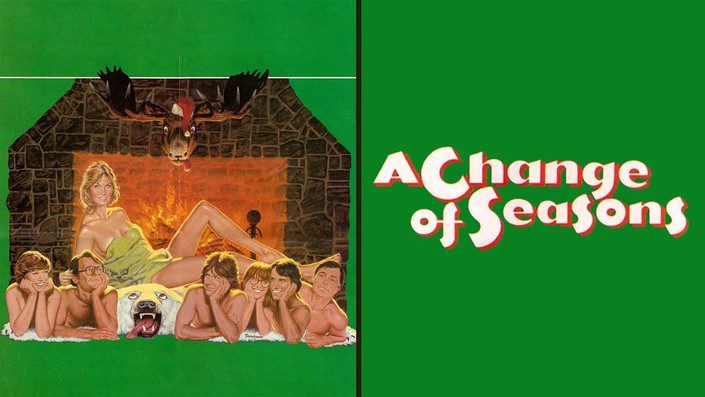
A Change of Seasons, released in theaters on December 1, 1980, is a romantic comedy-drama that tackles marital infidelity and the evolving nature of relationships with a blend of humor and emotional friction. The film features a high-profile cast led by Anthony Hopkins and Shirley MacLaine as a couple navigating a severe mid-life crisis.
The plot centers on Adam Evans (Hopkins), a seemingly respectable college professor who is secretly having an affair with his beautiful, younger student, Lindsay Rutledge (Bo Derek).
When Adam’s wife, Karyn (MacLaine), an intelligent and independent woman, discovers his infidelity, she decides to exact her revenge not through divorce, but through a calculated act of her own: she begins an affair with philosophical campus carpenter Pete Lachappelle (Michael Brandon).
The situation quickly becomes absurd and complicated when, due to various circumstances, all four individuals – Adam and Karyn, along with Lindsay and Pete – find themselves trapped together at the Evans’ remote, snowbound cabin in Vermont for a tense and emotionally charged weekend.
The central conflict revolves around the hilarious and uncomfortable interactions between the two couples, as they are forced to confront their choices, jealousy, and the fundamental issues that drove Adam and Karyn apart in the first place.
The film relies heavily on the chemistry and comedic timing of its leads.
Hopkins and MacLaine anchor the narrative with their portrayal of a long-term marriage struggling to survive, while Derek provides the catalyst for the chaos.
Mary Beth Hurt rounds out the supporting cast, playing Adam and Karyn’s daughter, Kasey Evans.
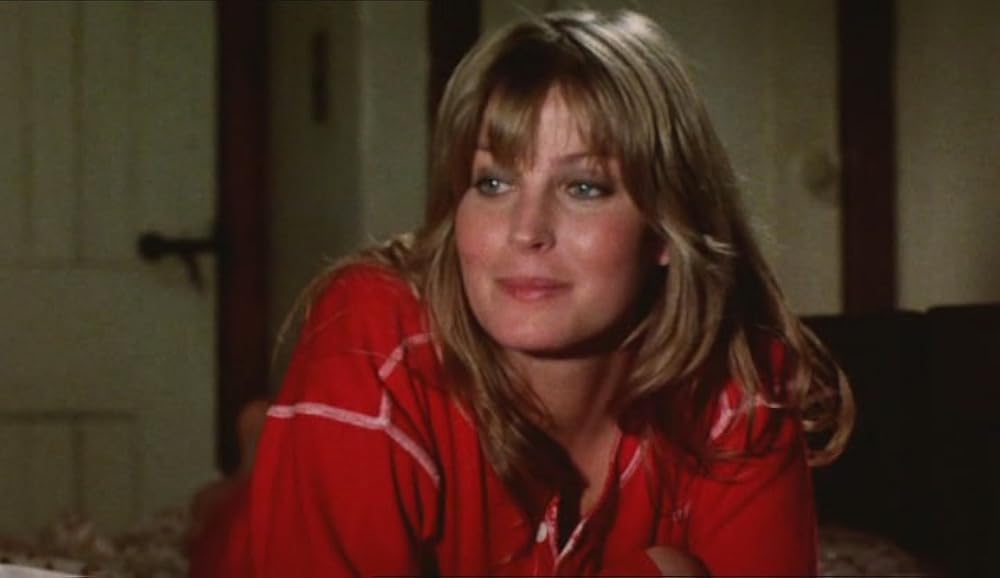
Bo Derek in A Change of Seasons (Photo/20th Century Fox)
Reception for A Change of Seasons
A Change of Seasons grossed $7.2 million in its theatrical run.
Legacy
The legacy of A Change of Seasons is primarily linked to its strong ensemble cast, particularly the pairing of Hopkins and MacLaine, and its place in the post-sexual revolution cinema that explored open marriage dynamics and marital dissatisfaction.
While sometimes overshadowed by other films of its era, it remains a witty, grown-up comedy that successfully uses farce to delve into serious questions about love, fidelity, and the unexpected changes that come with the passage of time.