

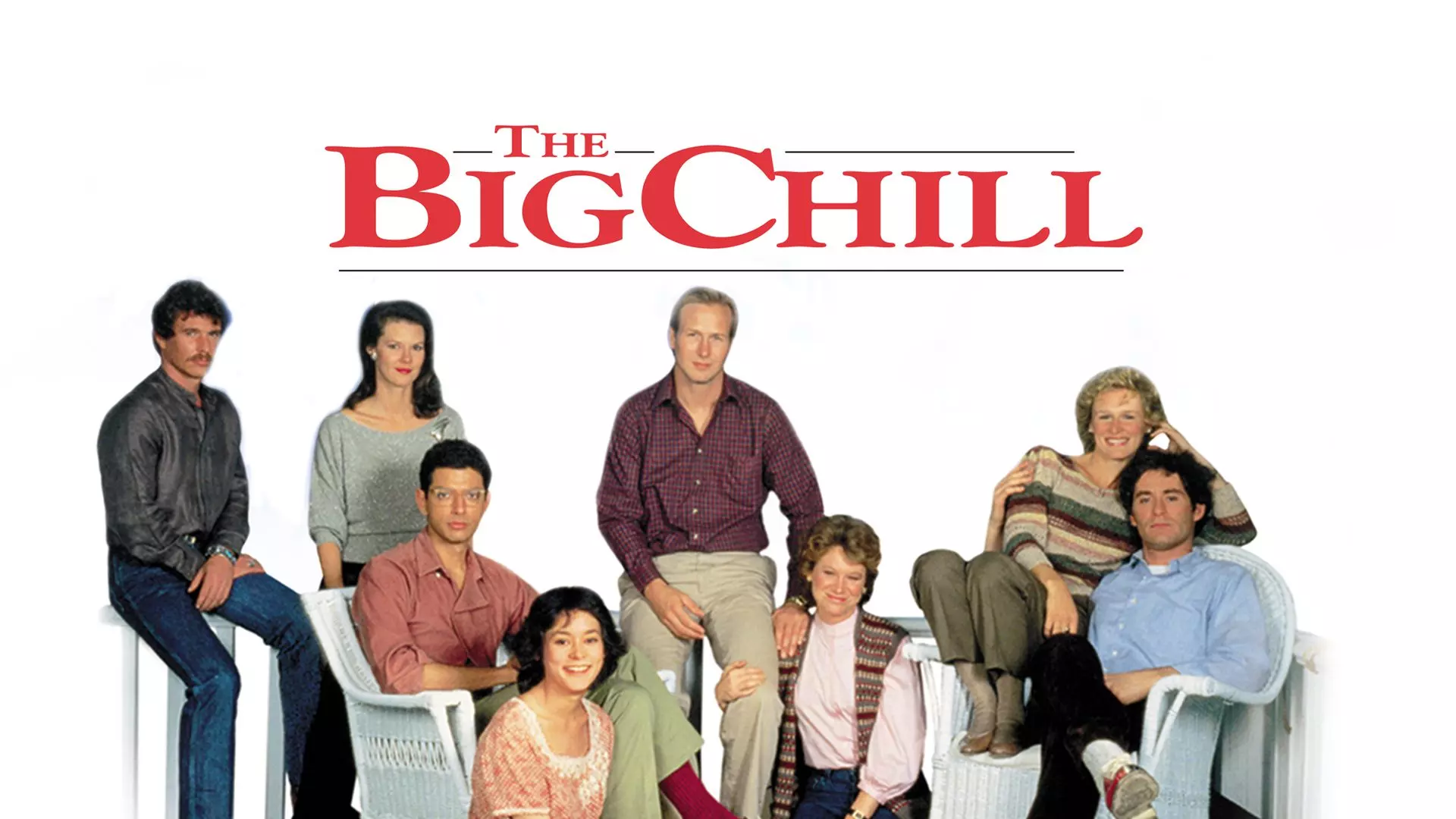
The narrative of The Big Chill (released in theaters on September 28, 1983) begins with a tragedy that forces a group of former college radicals to confront the passage of time.
When their friend Alex commits suicide, seven of his University of Michigan classmates gather for a weekend at a South Carolina summer home. Hosted by the pragmatic Harold (Kevin Kline) and the maternal Sarah (Glenn Close), the group represents a fractured spectrum of adulthood.
There is Michael (Jeff Goldblum), a celebrity journalist; Sam (Tom Berenger), a famous television actor; Meg (Mary Kay Place), a lawyer yearning for a child; Karen (JoBeth Williams), a restless housewife; and Nick (William Hurt), a disillusioned, drug-addled veteran.
Joining them is Chloe (Meg Tilly), Alex’s much younger girlfriend, whose presence highlights the gap between the group’s past and the present.
Directed and written by Lawrence Kasdan, the film unfolds as a series of conversations, meals, and dances fueled by a legendary Motown soundtrack.
As the weekend progresses, the initial veneer of success strips away to reveal deep-seated regrets and unfulfilled dreams.
The plot is less about external action and more about the shifting dynamics of friendship, as the characters re-examine their shared history and the “big chill” of entering a cynical, middle-aged reality.
From secret affairs to painful confessions, the group attempts to reconcile the idealistic revolutionaries they once were with the bourgeois professionals they have become.
Kevin Costner played Alex Marshall, but his scenes were all deleted before the final cut.
Don Galloway appeared as Karen’s husband, Richard Bowens.
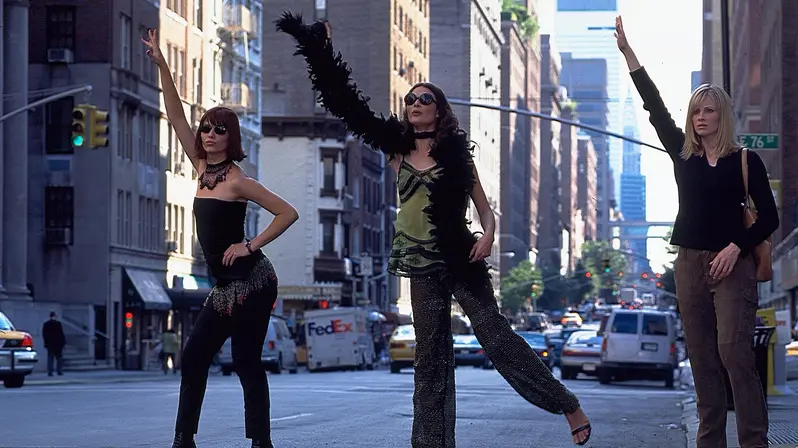
JoBeth Williams and Tom Berenger in The Big Chill (Photo/Columbia Pictures)
Reception for The Big Chill
The Big Chill grossed $3.7 million on its opening weekend, finishing No. 1 at the box office.
The film would gross $56.3 million in its theatrical run.
The film received Academy Award nominations for Best Picture, Best Supporting Actress (Close) and Best Original Screenplay.
Legacy
The Big Chill‘s legacy is most profoundly felt in its creation of the “ensemble reunion” subgenre, establishing a template for films that use a single location to explore complex character interconnections.
It captured the specific zeitgeist of the early 1980s, reflecting the collective identity crisis of the Baby Boomer generation as they transitioned from the counterculture of the 1960s to the materialism of the 1980s.
The film’s soundtrack, a curated collection of 1960s hits, revolutionized the use of nostalgic music in cinema, proving that a soundtrack could function as a narrative heartbeat and a massive commercial success in its own right.
Beyond its stylistic influence, the movie served as a launching pad for its incredible cast, most of whom became the defining actors of their generation.