


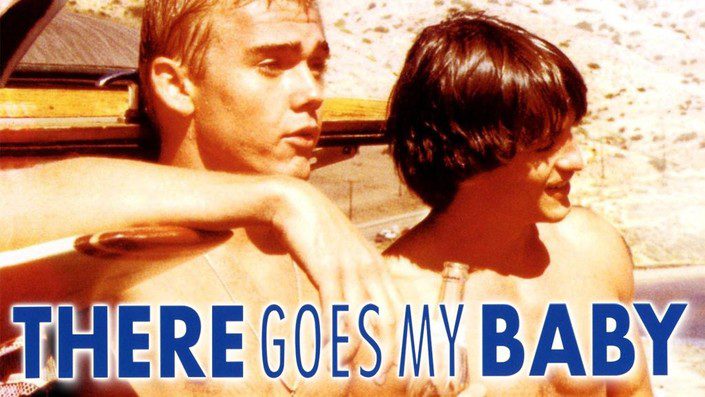
There Goes My Baby, released in theaters on September 2, 1994, is a nostalgic yet sobering coming-of-age ensemble drama set in the summer of 1965, chronicling the final days of high school for a group of Los Angeles graduates, often referred to as “The Gladiators.”
The film serves as a poignant time capsule, capturing the youthful idealism and uncertainty just before America was irrevocably changed by the Vietnam War and significant civil unrest, particularly the Watts Riots, which loom in the immediate background.
The plot follows several interconnected stories as the students navigate graduation parties, last-ditch romantic pursuits, and confrontations with the future.
Among the core group is Pirate (Dermot Mulroney), the rebellious leader; Jake (Rick Schroder), the introspective best friend; and Finnegan (Noah Wyle), the school’s most dedicated stoner.
Their paths intertwine with the girls, including the seemingly unattainable Mary Beth (Lucy Deakins), Jill Schoelen, and Kelli Williams, as they share dreams and face the harsh realities of impending adulthood.
The film’s tone is bittersweet, celebrating the end of their carefree existence while hinting at the loss of innocence that awaits them.
The film’s strength lies in its ability to balance the personal drama of first loves and existential angst with the palpable historical tension of the era.
The adult world is represented by veteran actors like Seymour Cassel and Anne Archer, alongside solid supporting work from Paul Gleason and Andrew Robinson.
The cast notably includes Mark Ruffalo in an early, small role.
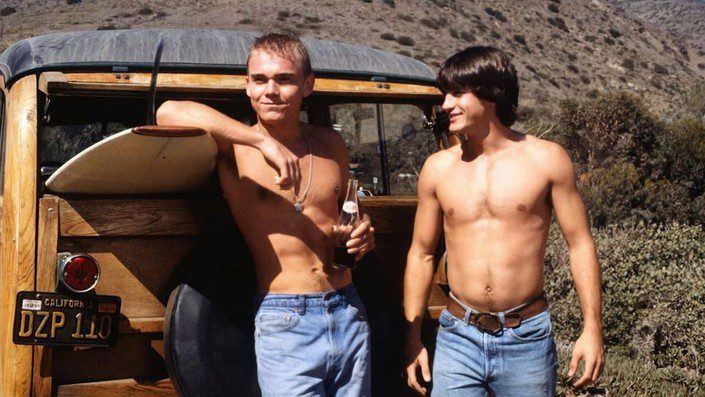
Rick Schroder and Dermot Mulroney in There Goes My Baby (Photo/Orion Pictures)
Reception for There Goes My Baby
There Goes My Baby was originally scheduled for release in 1991, but due to Orion’s bankruptcy in 1991, its release was delayed until September 2, 1994.
The film would gross $123,509 in limited release on 122 screens.
Legacy
There Goes My Baby‘s legacy is that of a cult classic and a superior entry in the 1990s retrospective teen film genre, often drawing comparisons to American Graffiti for its use of period music and ensemble structure.
It is particularly valued for its raw, unfiltered look at the youth of 1965 and its success in showcasing a large ensemble of young talent, many of whom—including Mulroney, Schroder, and Wyle—would go on to define the next decades of television and film.