






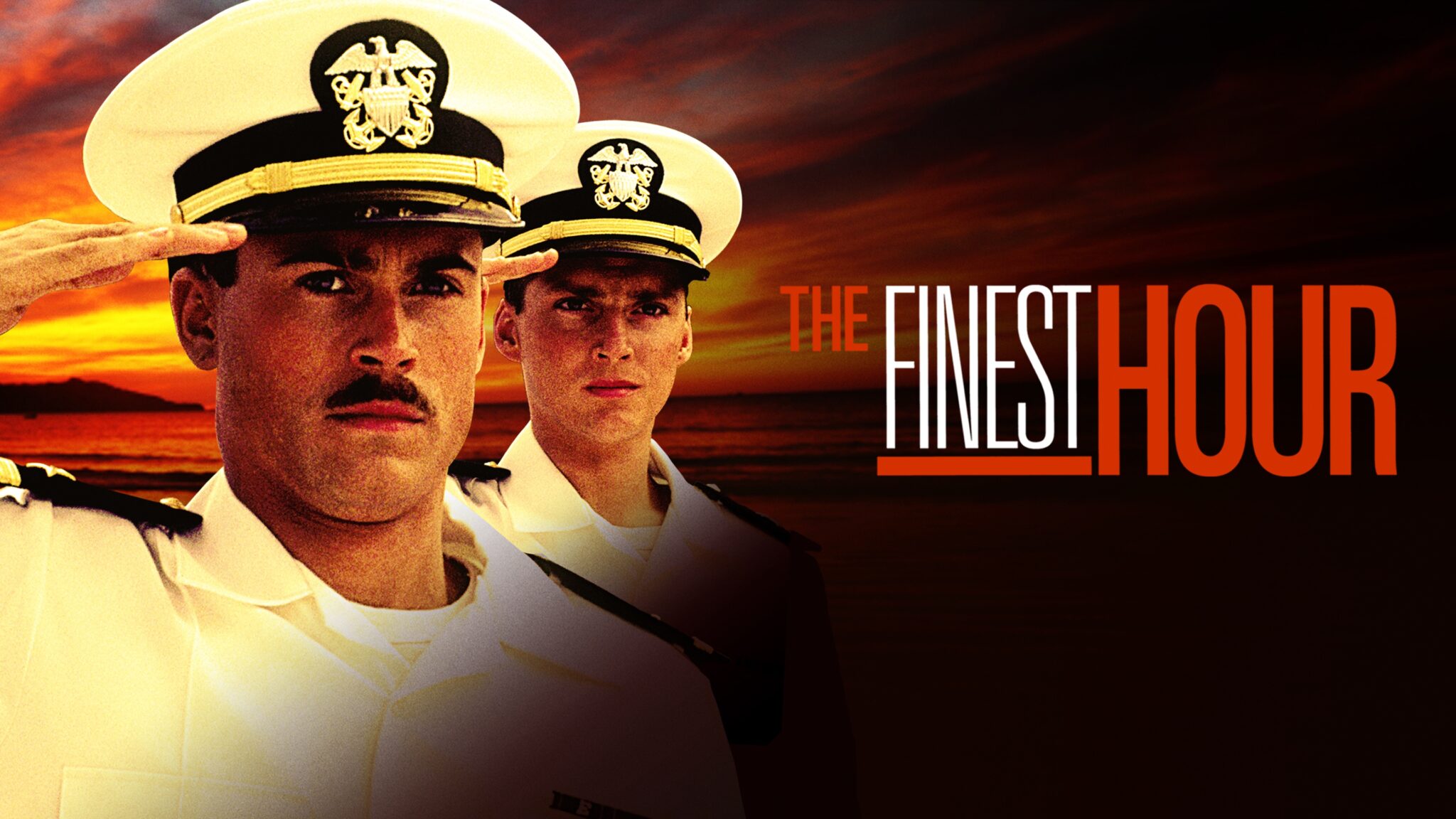
The Finest Hour, set against the backdrop of elite military training and the looming threat of global conflict, explores the intense bond forged between two Navy SEAL recruits. The story follows Lawrence Hammer (Rob Lowe) and Dean Mazzoli (Gale Hansen), two men from vastly different backgrounds who meet during the grueling rigors of Basic Underwater Demolition/SEAL training.
Their friendship is tested not only by the physical demands of their profession but also by their shared affection for Barbara (Tracy Griffith).
As they transition from trainees to seasoned operators, the narrative shifts toward a high-stakes mission involving an Iraqi billionaire, Bosco (Eb Lottimer), who is developing a biological weapons facility.
The film balances the internal friction of a love triangle with the tactical precision of special operations.
When a mission in the Middle East goes awry, leaving Hammer and Mazzoli separated and scarred, the two must eventually reconcile their personal grievances to stop a catastrophic threat.
The plot culminates in a daring underwater sabotage mission that requires the very synergy and trust they built years prior in the surf of Coronado.
While the film embraces the tropes of the military action genre, it anchors the spectacle in the performances of its leads, particularly Lowe, who trades his typical “pretty boy” persona for the weathered intensity of a career combatant.
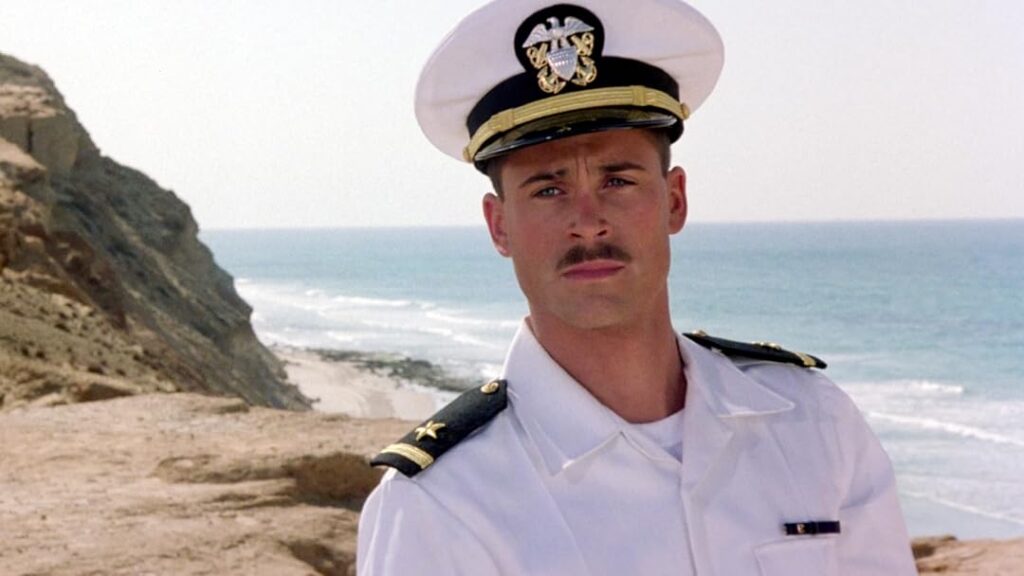
Rob Lowe in The Finest Hour (Photo/21st Century Film Corporation)
Legacy of The Finest Hour
The legacy of The Finest Hour lies in its contribution to the surge of special-forces cinema that captivated audiences during the early 1990s.
Released shortly after the Gulf War, it tapped into a renewed public fascination with the clandestine world of the Navy SEALs, predating the modern era of hyper-realistic tactical films.
The movie is remembered by fans of “Brat Pack” alumni for providing Lowe with a vehicle to prove his versatility in a rugged, physical role, successfully pivoting away from the teen-centric dramas of the previous decade.
By emphasizing the “brotherhood” aspect of the military over simple jingoism, the film carved out a space as a reliable staple of cable television and home video throughout the nineties.