






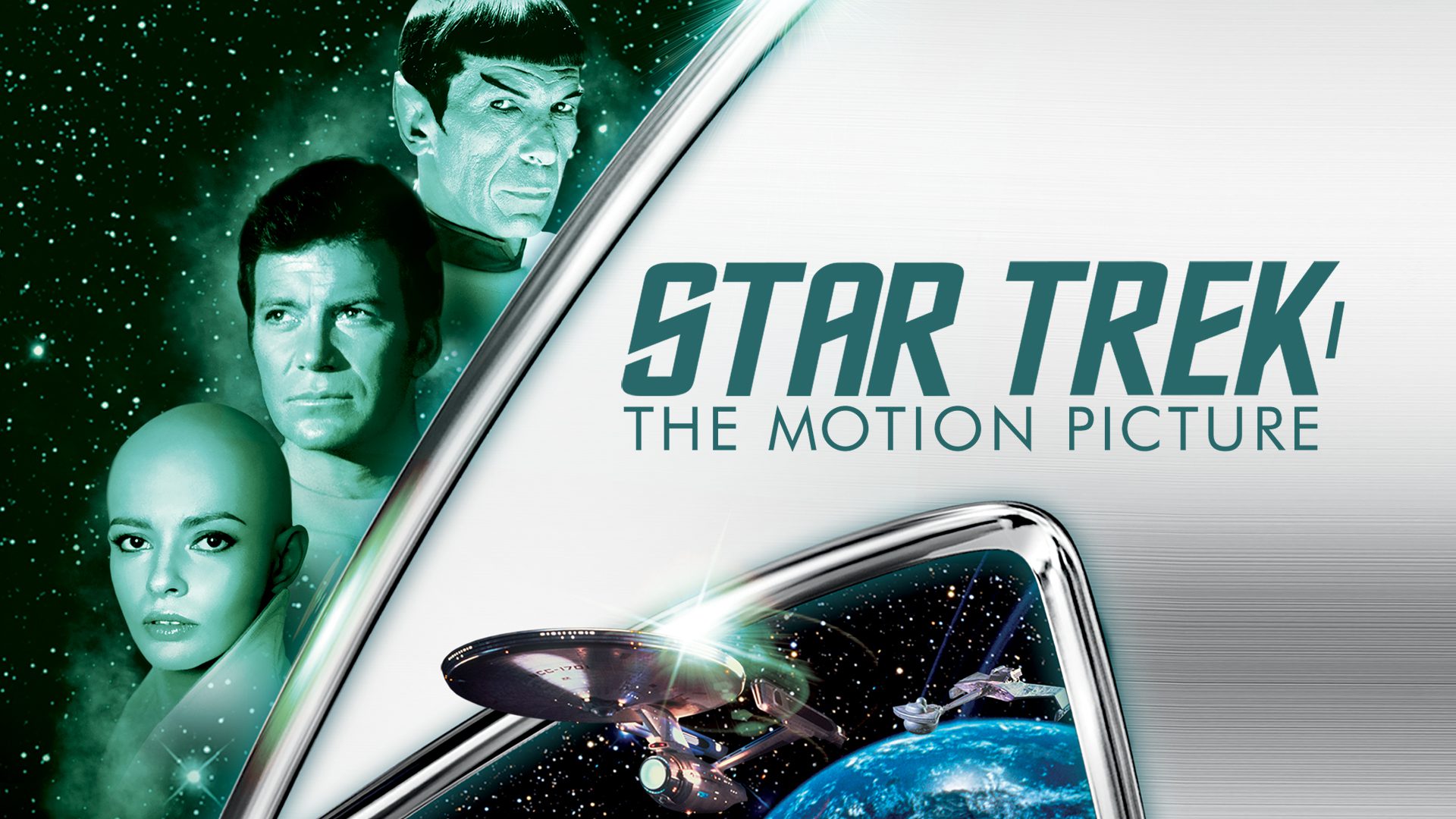
Star Trek: The Motion Picture, released in theaters on Dec. 7, 1979, marked the monumental return of the original Star Trek crew after a ten-year hiatus. As the first feature film entry in the franchise, it sought to transition the beloved television series onto the grand scale of the big screen, opting for a style of contemplative, epic science fiction that was heavily influenced by the success of 2001: A Space Odyssey.
The film opens with the newly refitted, awe-inspiring U.S.S. Enterprise being rushed into service by Starfleet to intercept a colossal, menacing energy cloud rapidly approaching Earth.
The cloud, which has already destroyed three Klingon battle cruisers and a Starfleet space station, appears unstoppable.
Admiral James T. Kirk (William Shatner), now in a desk job, essentially commandeers the Enterprise, pushing aside its current captain, Decker (Stephen Collins), to take command.
The original crew is reluctantly reassembled: Spock (Leonard Nimoy), who was attempting to purge emotion through the Vulcan ritual of Kolinahr; Dr. McCoy (DeForest Kelley), dragged back into Starfleet from retirement; Scotty (James Doohan), Sulu (George Takei), Chekov (Walter Koenig), and Uhura (Nichelle Nichols).
Their mission is to penetrate the energy cloud and determine the nature of the massive alien entity within.
The journey through the cloud is a visual and existential odyssey, filled with dazzling, lengthy sequences showcasing the Enterprise and the mysterious entity.
The crew eventually discovers that the entity is an immense machine intelligence identified as V’ger, which is on a relentless quest to find its creator on Earth.
V’ger is revealed to be the returned Voyager 6, a 20th-century NASA space probe that was lost in space, found by an alien machine civilization, and returned home having gained enormous knowledge and power—but lacking self-awareness or the capacity for emotion.
The climax involves Kirk, Spock, and Decker attempting to communicate with V’ger, hoping to satisfy its search and prevent the destruction of Earth.
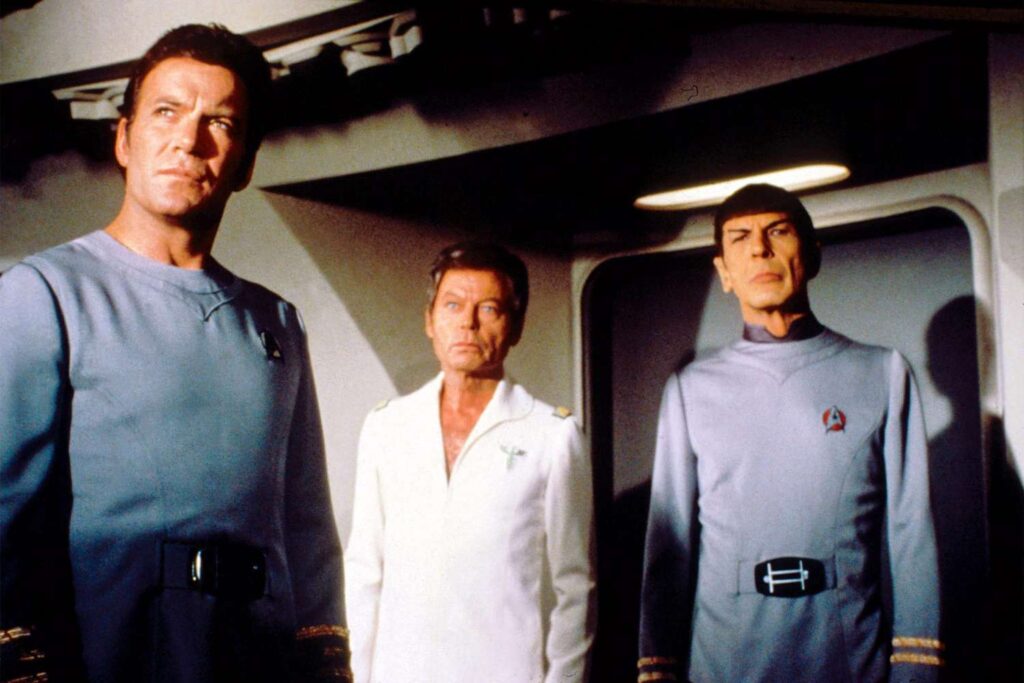
Star Trek: The Motion Picture (Photo/Paramount Pictures)
Reception for Star Trek: The Motion Picture
Star Trek: The Motion Picture grossed $11.9 million on its opening weekend, finishing No. 1 at the box office.
The film would gross $139 million worldwide.
Roger Ebert gave the film three out of four stars in his review.
Star Trek: The Motion Picture was nominated for Academy Awards for Best Art Direction, Best Visual Effects, and Best Original Score.
Legacy
Star Trek: The Motion Picture is undeniably significant because it saved the franchise. Following the cancellation of the original series, this film proved that there was a massive appetite for Star Trek on the big screen, securing its future for decades.
While critics often cite its slow pacing and long special effects sequences, its legacy is one of brave ambition. It delivers on the franchise’s core promise: exploring not just space, but philosophical questions about life, identity, and humanity’s relationship with technology.
The film’s sweeping score by Jerry Goldsmith became instantly iconic, and the successful reunification of the original cast, however contentious on screen, laid the groundwork for the successful, character-driven sequels that followed.