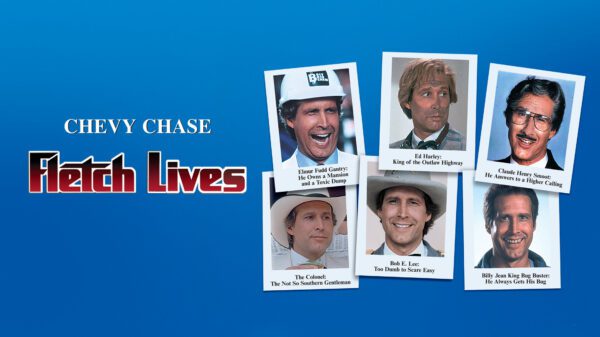






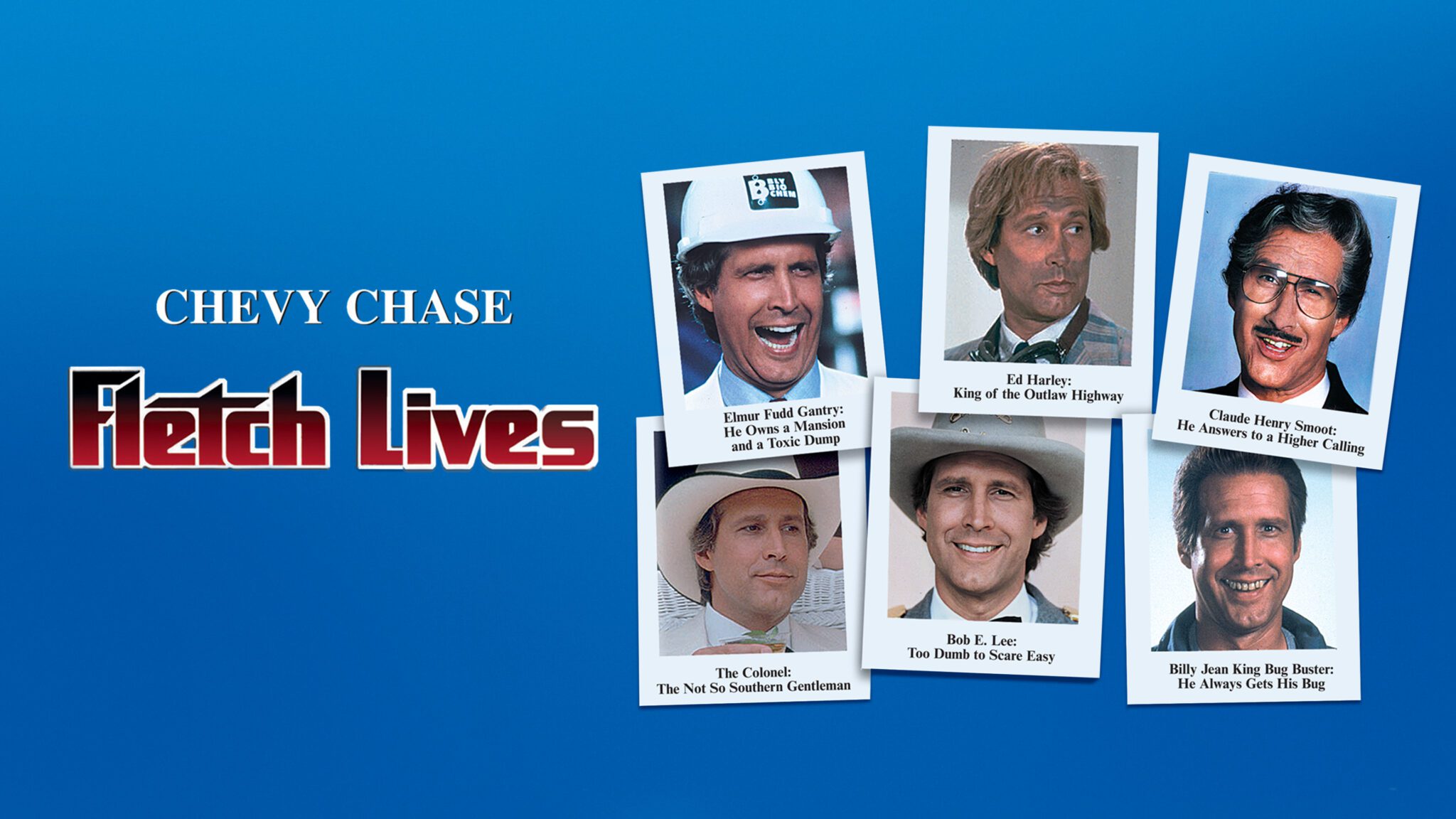
Fletch Lives (released in theaters on March 17, 1989) finds Chevy Chase stepping back into the designer sneakers of Irwin “Fletch” Fletcher, the master of disguise and sarcasm. In this 1989 follow-up, the Los Angeles investigative reporter trades the grit of the city for the humidity of the deep South after inheriting an 80-acre plantation from an aunt he barely knew.
Upon arrival in Louisiana, Fletch discovers his “mansion” is a crumbling ruin, his lawyer is found dead in his bed, and a local land developer is suspiciously eager to buy the property.
To clear his name and uncover the truth, Fletch dons a series of increasingly ridiculous personas—from a faith healer to a bumbling Confederate reenactor—to infiltrate a televangelist’s megachurch and a high-stakes hunting club.
The film thrives on the comedic chemistry of its eclectic cast.
Hal Holbrook provides a grounded, menacing foil as the plantation owner Hamilton “Ham” Johnson, while Julianne Phillips plays Becky Culpepper with a charm that keeps the mystery moving.
Cleavon Little brings a fun energy as Fletch’s house handyman, and R. Lee Ermey is perfectly cast as the bombastic Jimmy Lee Farnsworth, a televangelist who embodies the film’s satirical edge.
Randall “Tex” Cobb makes a memorable appearance as Ben Dover, a fellow inmate who provides one of the film’s most enduringly awkward comedic sequences.
Richard Libertini, George Wyner, Geoffrey Lewis, Richard Belzer, Phil Hartman, and Dennis Burkley round out the cast.
Michael Ritchie returns to direct the sequel to Fletch.
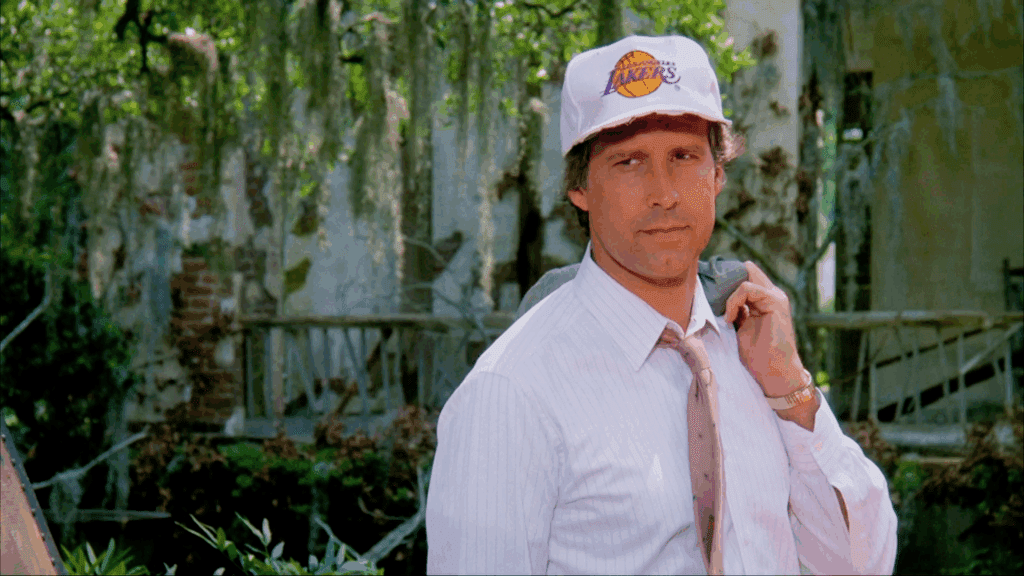
Chevy Chase in Fletch Lives (Photo/Universal Pictures)
Reception for Fletch Lives
Fletch Lives grossed $8 million on its opening weekend, finishing No. 1 at the box office.
The film would gross $35.2 million in its theatrical run.
Legacy
Fletch Lives‘ legacy lies in its commitment to pure, unfiltered Chase showmanship and while the original film was a tight neo-noir with comedic elements, this installment leans heavily into the absurd, transforming the series into a playground for Chase’s improvisational skills.
It remains a fascinating artifact of late-80s comedy, bridging the gap between the character-driven humor of the early SNL era and the high-concept slapstick that would later dominate the 90s.
The film has carved out a permanent home in the hearts of cult cinema fans who appreciate its biting satire of Southern tropes and televangelism.
Fletch Lives serves as a colorful farewell to the character’s original run, proving that even when the mystery is predictable, the man of a thousand faces is always worth watching.