



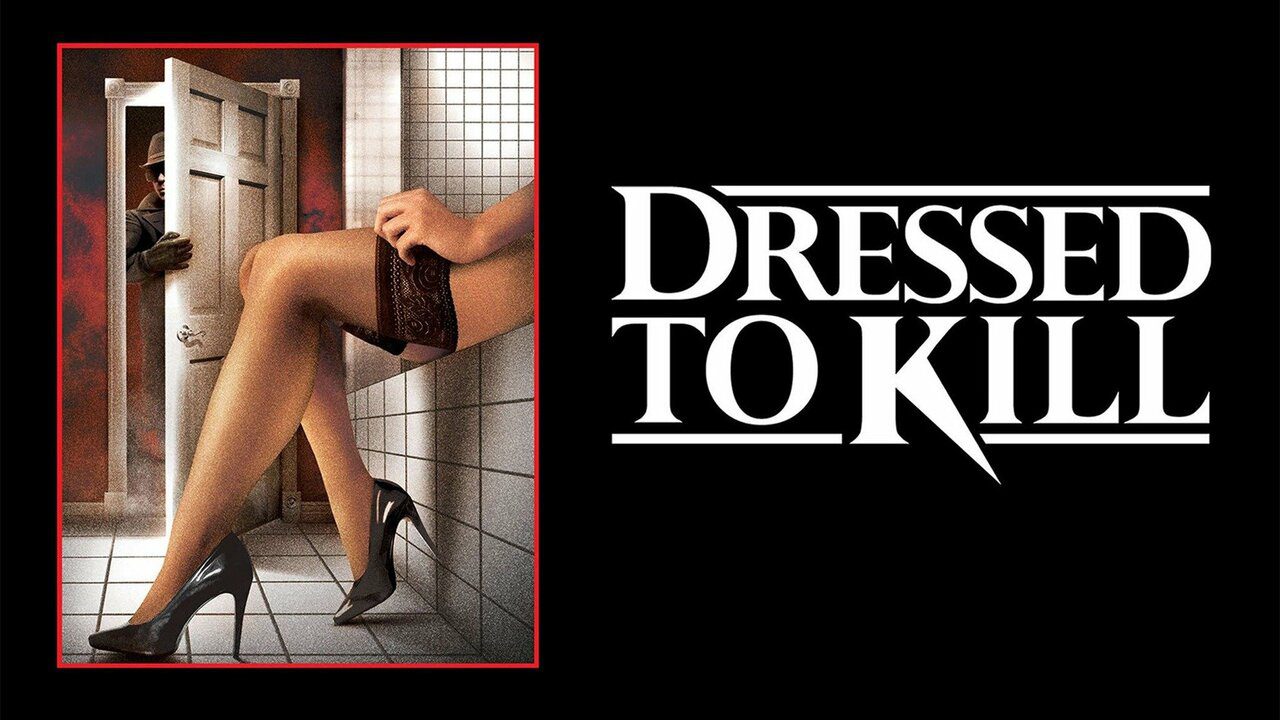
In the provocative thriller Dressed to Kill, director Brian De Palma constructs a labyrinth of voyeurism and violence that begins with the sexual frustrations of Kate Miller (Angie Dickinson), a bored suburban housewife.
After a chance encounter at a museum leads to a fleeting afternoon affair, Kate is brutally murdered in an elevator by a mysterious, tall blonde woman wielding a straight razor.
The tragedy is witnessed by Liz Blake (Nancy Allen), a high-class call girl who suddenly finds herself framed for the crime and pursued by the killer.
As the police, led by the cynical Detective Marino (Dennis Franz), struggle to make sense of the evidence, Kate’s tech-savvy son Peter (Keith Gordon) teams up with Liz to hunt for the truth.
Their investigation centers on Kate’s psychiatrist, Dr. Robert Elliott (Michael Caine), whose clinic hides a terrifying secret regarding one of his most dangerous patients.
De Palma utilizes every tool in his cinematic arsenal – split screens, slow-motion sequences, and a lush, haunting score by Pino Donaggio – to create an atmosphere of dread and heightened sensuality.
The museum sequence, a nearly wordless ten-minute pursuit, remains a triumph of visual storytelling, showcasing the director’s ability to manipulate the audience’s gaze.
While the film pays heavy homage to Hitchcock’s Psycho, it pushes the boundaries of the genre with its graphic intensity and complex exploration of identity.
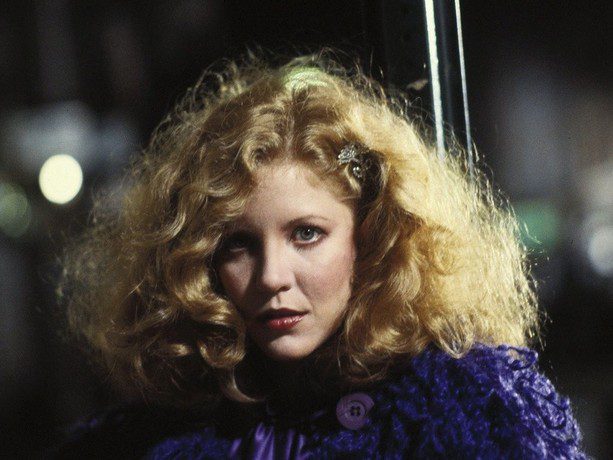
Nancy Allen in Dressed to Kill (Photo/Orion Pictures)
Reception for Dressed to Kill
Dressed to Kill grossed $31.9 million at the box office in its theatrical run.
Roger Ebert gave Dressed to Kill three out of four stars in his review.
Legacy
Dressed to Kill is one of the most stylish and controversial entries in the American “neo-noir” and slasher movements. It solidified De Palma’s reputation as a provocateur who could elevate pulp material into high art through technical virtuosity.
The film’s influence is seen in the way it bridged the gap between the European giallo aesthetic and mainstream American horror, favoring mood and elaborate set pieces over simple jump scares.
While it sparked intense debate upon its 1980 release regarding its depiction of gender and violence, it has survived as a quintessential example of the “erotic thriller,” a genre that would flourish in the decade to follow.
Its bold visual language and unflinching look at the darkness beneath the surface of polite society continue to be studied by filmmakers who seek to marry psychological depth with visceral, edge-of-your-seat suspense.