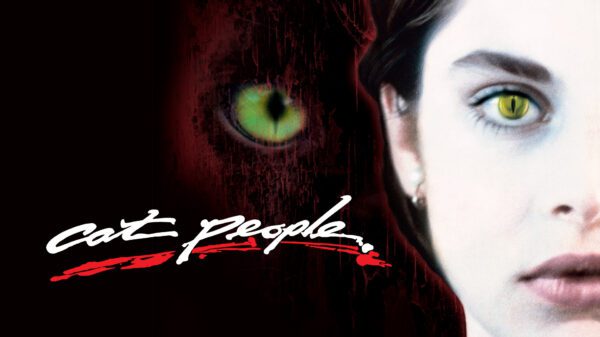







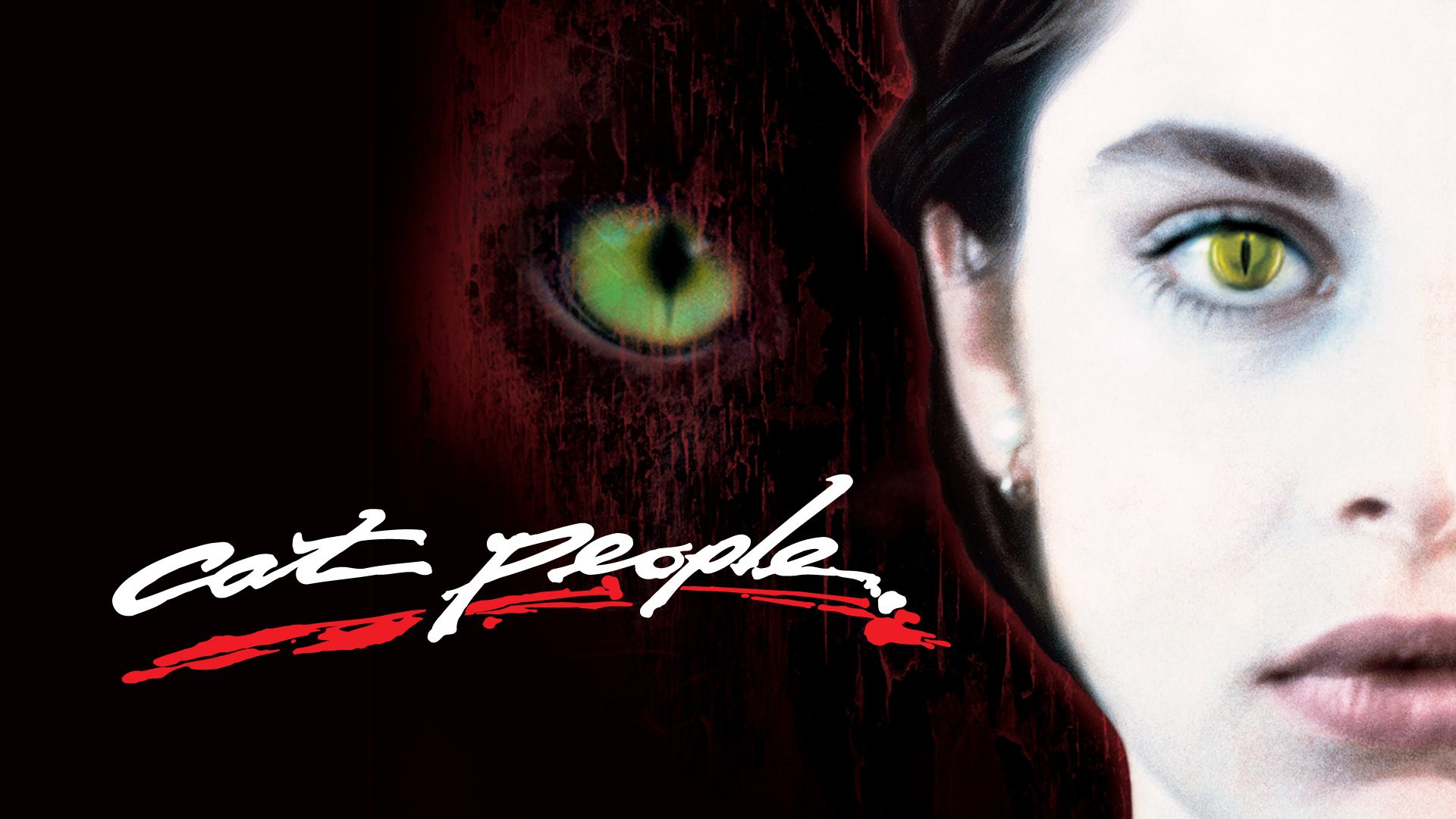
In the erotic horror odyssey Cat People (released in theaters on April 2, 1982), Irena Gallier (Nastassja Kinski) travels to New Orleans to reunite with her estranged brother, Paul (Malcolm McDowell), after years of separation. Irena is a virginal, sheltered young woman who is quickly overwhelmed by the humid, carnal atmosphere of the city and the disturbing revelations shared by her brother.
Paul informs her of a dark family secret: they belong to an ancient race of “felanthrope” shape-shifters who transform into lethal black leopards if they engage in sexual intimacy with humans.
According to the myth, they can only return to human form by killing, and the only way to break the curse is to mate with their own kind.
Terrified by her lineage, Irena seeks refuge in a budding romance with Oliver Yates (John Heard), a dedicated zoologist at the local zoo. Oliver becomes obsessed with Irena’s feline beauty, much to the chagrin of his sensible colleague and friend, Alice (Annette O’Toole).
The plot tightens as Paul’s predatory nature leads to a series of gruesome attacks, drawing the police and Oliver into a web of supernatural violence.
Directed by Paul Schrader, the film leans heavily into the psychological and sexual tension of the premise, culminating in a tragic struggle where Irena must choose between her burgeoning humanity and the unstoppable, bloodthirsty instincts of her true nature.
Ed Begley Jr., Scott Paulin, Ruby Dee, Frankie Faison, John Larroquette, Berry Berenson and Ray Wise round out the cast.
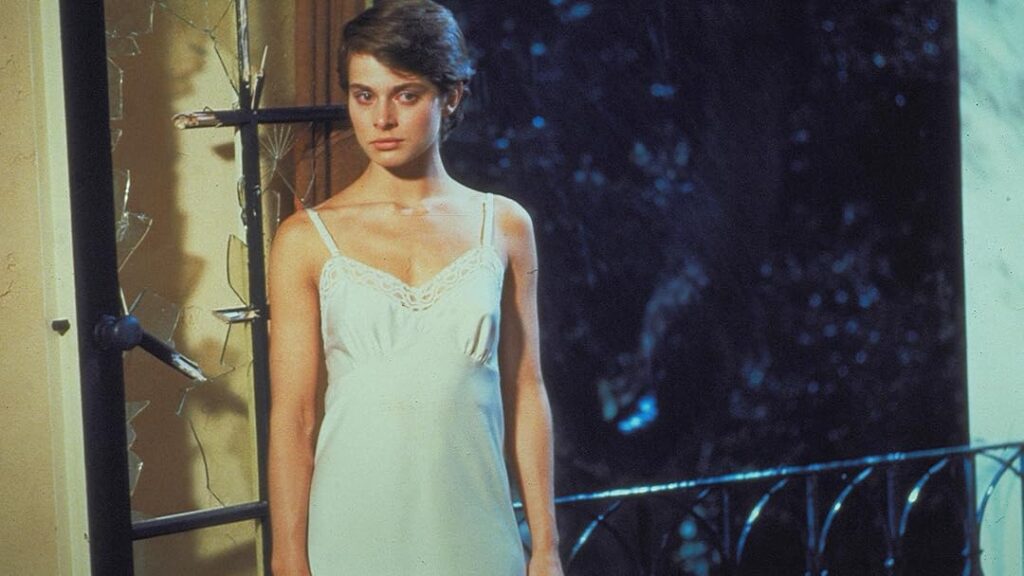
Nastassja Kinski in Cat People (Photo/Universal Pictures)
Reception for Cat People
Cat People grossed $1.6 million on its opening weekend, finishing tenth at the box office. The top film of the week was Porky’s, which earned $8 million on its third weekend.
The film would gross $7 million in its theatrical run.
Roger Ebert gave Cat People three and a half out of four stars in his review.
Legacy
Cat People‘s legacy lies in its transformation of a subtle 1942 suspense classic into a bold, visually arresting piece of 1980s “New Hollywood” cinema.
Unlike the original, which used shadows to suggest terror, Schrader’s 1982 remake embraced the visceral, using cutting-edge practical effects and a saturated, neon-noir aesthetic.
The film is perhaps most famous for its hypnotic collaboration between Schrader and electronic pioneer Giorgio Moroder, whose pulsing synthesizer score – topped by David Bowie’s iconic title track – defined the cool, dark energy of the era.
Kinski’s ethereal and feral performance became an instant cultural touchstone, cementing her status as an international star.
While it initially polarized critics with its blend of high-art philosophy and graphic horror, the film has aged into a significant cult classic.
Cat People is celebrated for its daring exploration of the “beauty and the beast” motif through a lens of repressed sexuality, standing as a definitive example of the stylized, adult-oriented horror that characterized the early eighties.