




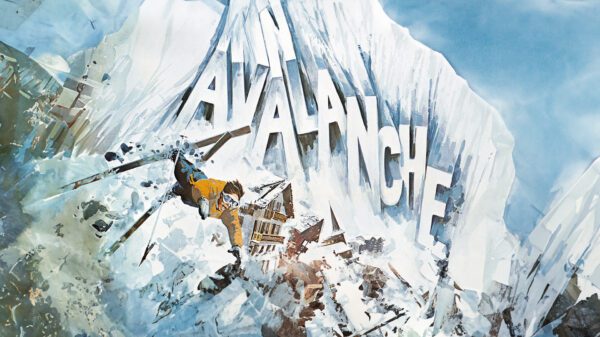

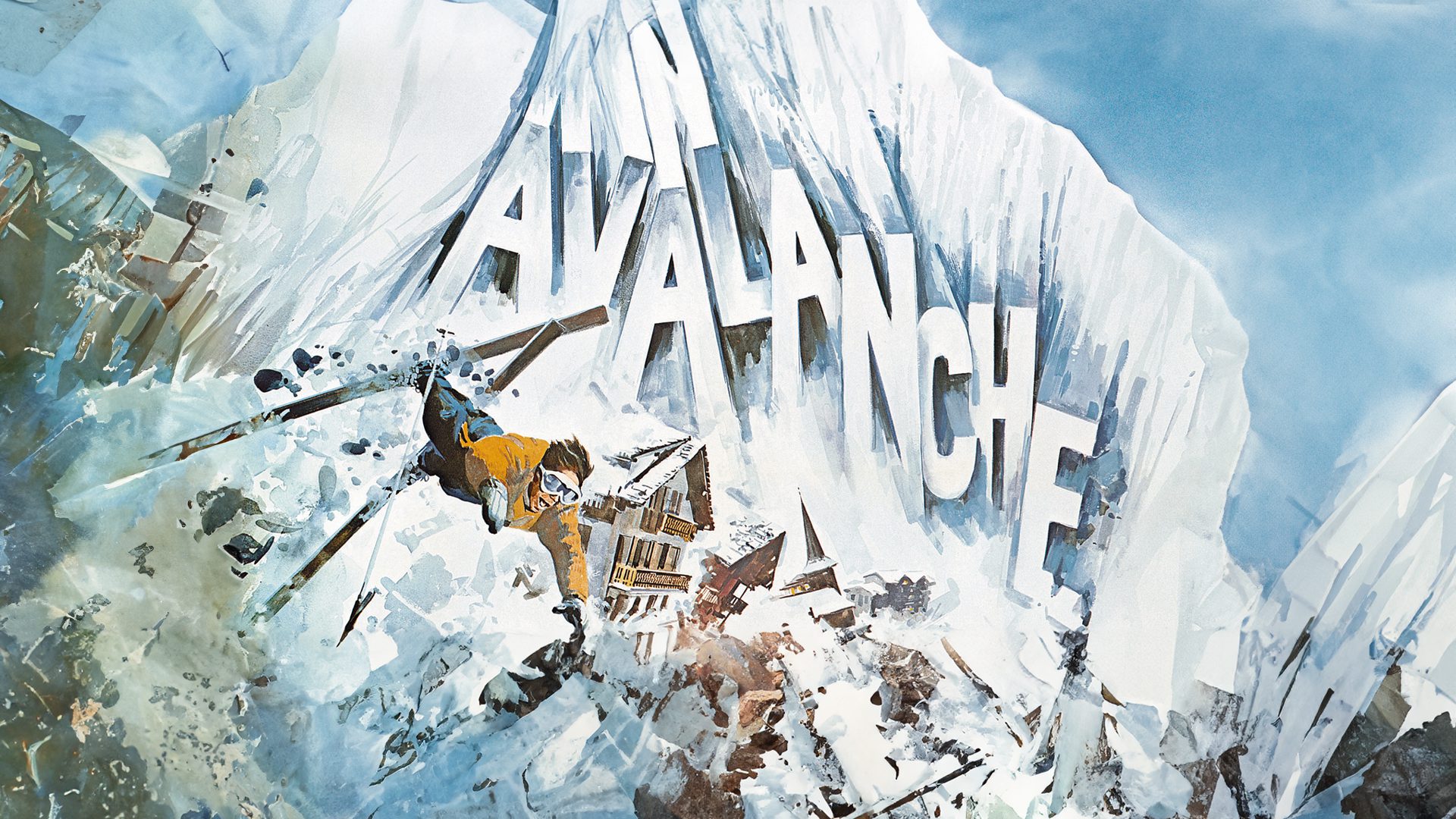
Avalanche (released in theaters on August 30, 1978), produced by the legendary Roger Corman, stands as a quintessential entry in the late-70s disaster movie craze. Emerging in the wake of hits like The Towering Inferno and Earthquake, this film trades urban decay for the icy, isolation-driven terror of a high-end ski resort.
It is a vibrant, sometimes campy, but always earnest spectacle that captures the era’s obsession with human hubris being punished by the unforgiving forces of nature, all set against a backdrop of disco-era fashion and mountain-high egos.
The story centers on David Shelby (Rock Hudson), a ruthless and charismatic land developer who has poured his fortune into “Sundance,” a massive, state-of-the-art ski resort carved into a treacherous mountainside.
To celebrate the grand opening, David invites his ex-wife, Caroline (Mia Farrow), hoping to win her back with his success.
The resort is packed with vacationers, including David’s formidable mother (Jeanette Nolan) and a host of colorful guests looking for a winter getaway.
Warnings of ecological instability come from Nick Thorne (Robert Forster), a rugged environmentalist and photographer who cautions that the construction and heavy snowfalls have made the mountain a ticking time bomb. David, blinded by his own ambition and the financial stakes of the opening, ignores the danger.
The tension breaks when a small plane crash triggers a massive, thundering wall of snow that hurtles toward the resort.
The second half of the film transforms into a desperate survival struggle as the guests are buried beneath the white tomb.
David must pivot from a businessman to a rescuer, working alongside Nick to dig out survivors—including a trapped Caroline—before the freezing temperatures and shifting ice finish what the mountain started.
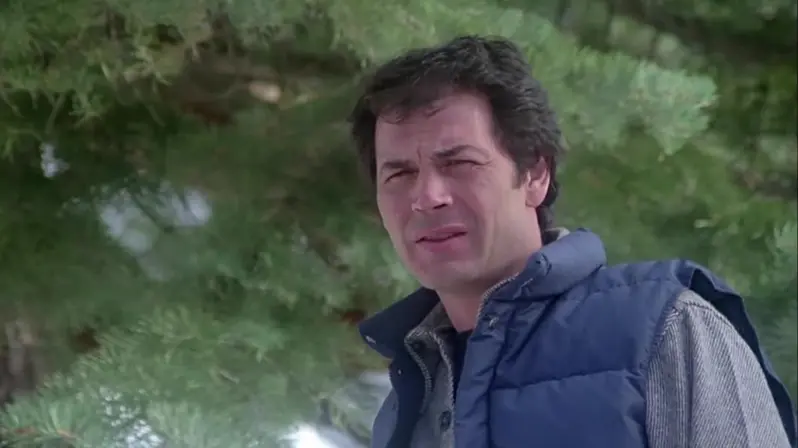
Robert Forster in Avalanche (Photo/New World Pictures)
Legacy of Avalanche
The legacy of Avalanche lies in its status as a beloved cult artifact of the “Golden Age of Disaster.”
Furthermore, the film is remembered for its distinct “Corman touch”—prioritizing pacing and high-concept thrills over complex plotting.
Its legacy persists in the “Nature Strikes Back” subgenre, influencing later winter-bound thrillers like Cliffhanger and Vertical Limit.
For fans of 70s cinema, Avalanche remains a snowy time capsule of flared pants, environmental anxiety, and the timeless lesson that nature always gets the last word.