

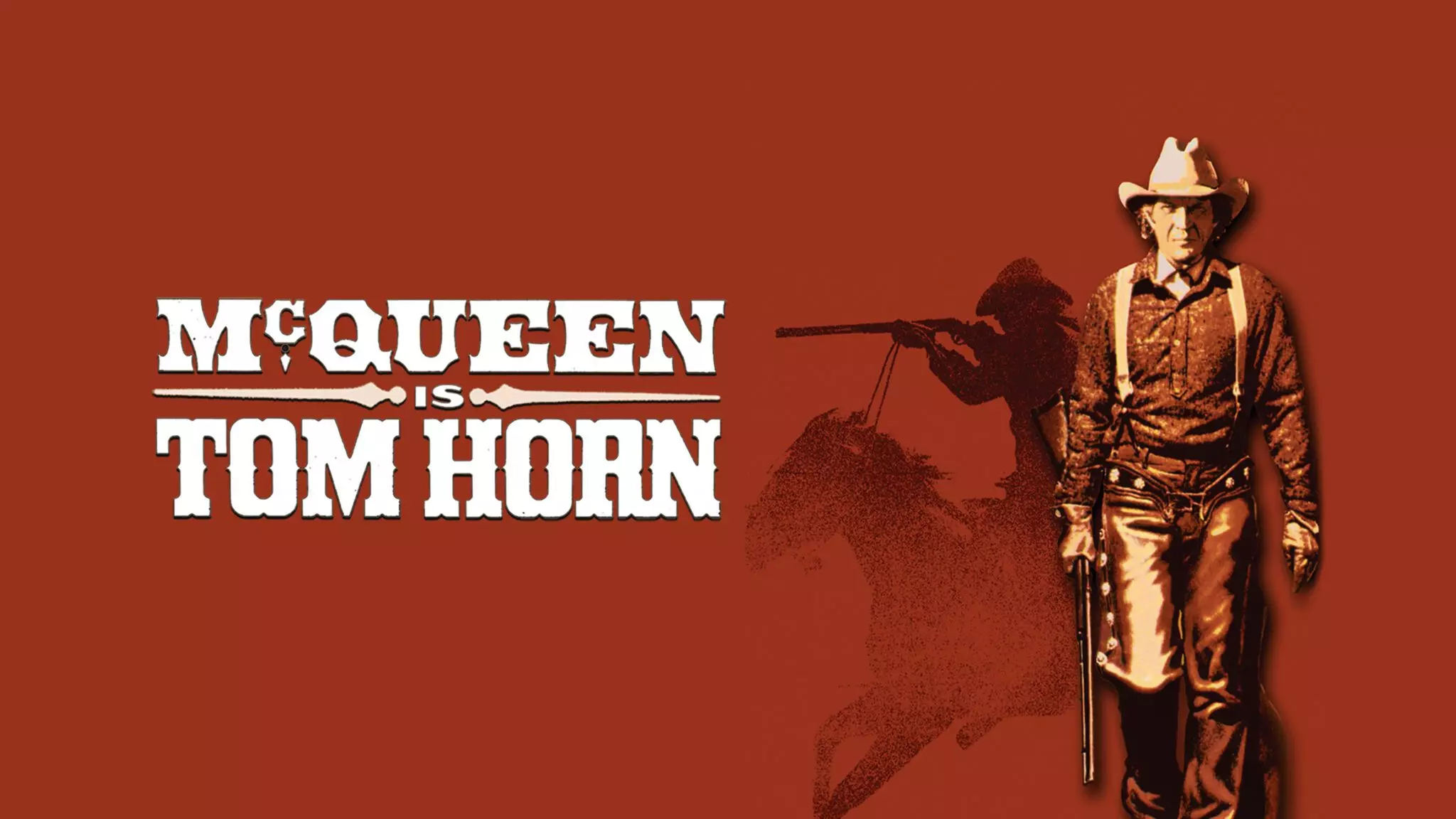
In the elegiac western Tom Horn (released in theaters on March 28, 1980), the story follows the real-life frontier scout and legendary manhunter during the waning days of the Old West. Set at the turn of the 20th century, the plot finds Tom Horn (Steve McQueen) drifting into Wyoming, where his skills as a legendary tracker are sought after by a group of wealthy cattlemen led by John Coble (Richard Farnsworth).
The ranchers are losing their livelihoods to rustlers and seek a “stock detective” to clean up the territory.
Horn, a man out of time who finds no place in a rapidly modernizing society, accepts the job and begins a brutal, efficient campaign to eliminate the thieves using his signature long-range rifle.
As Horn goes about his bloody work, he finds a brief respite and a touch of domesticity through a romance with Glendolene Kimmel (Linda Evans), a local schoolteacher who is fascinated by the mythic figure behind the man.
However, the cattlemen soon realize that Horn’s violent methods are a political liability in a world striving for law and order.
When a young boy is killed in an ambush, the powerful men who hired Horn conspire with local law enforcement, including Sheriff Bellew (Slim Pickens) and the calculating Joe Belle (Billy Green Bush), to frame him for the crime.
Despite the support of his few friends, Horn is caught in the gears of a changing legal system.
The narrative culminates in a somber courtroom drama and a final, quiet walk toward the gallows, as a man who helped tame the wilderness is ultimately sacrificed by those who profited from his violence.
Geoffrey Lewis, Harry Northup, and Mickey Jones round out the cast.
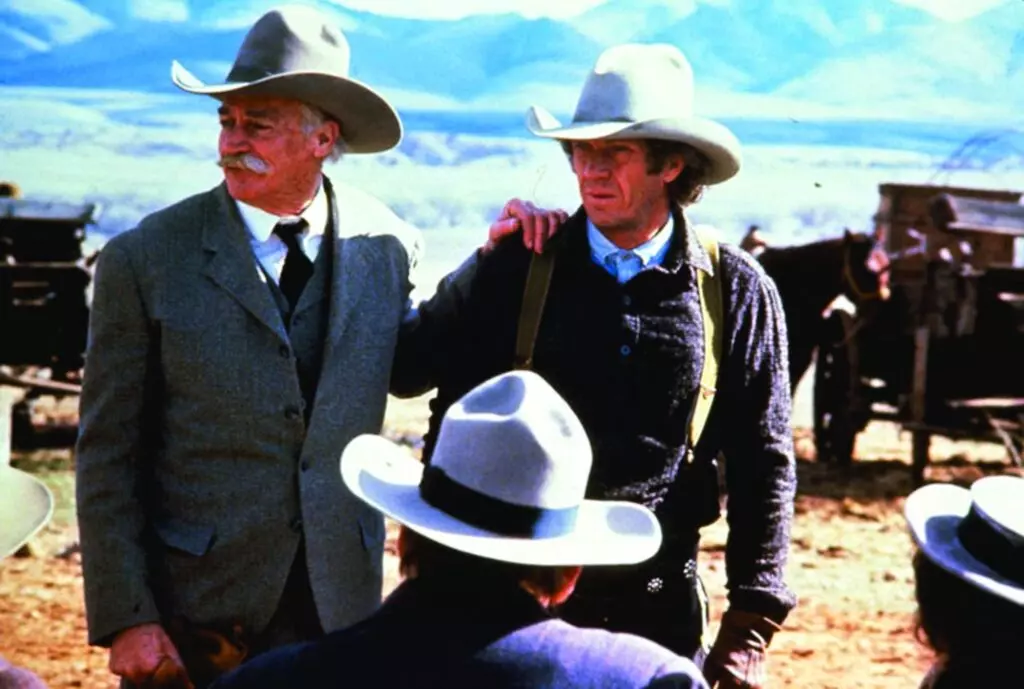
Tom Horn (Photo/Warner Bros.)
Reception for Tom Horn
Tom Horn grossed $9 million in its theatrical run.
Legacy
Tom Horn‘s legacy is deeply intertwined with the real-life mythos of McQueen, serving as one of the final performances of his storied career before his untimely death.
The film is widely regarded as a cornerstone of the revisionist western genre, stripping away the glamour of the gunslinger to reveal a lonely, stoic, and ultimately betrayed figure.
It is praised for its historical authenticity, from the meticulously weathered costume design to its refusal to indulge in theatrical shootouts, opting instead for a cold, realistic depiction of violence.
McQueen’s performance is often cited by critics as one of his most subtle and mature works, capturing the exhaustion of an era and a man who realizes he has been discarded by history.
While it was overshadowed by more commercial hits at the time of its release, it has grown in stature as a poignant, autumnal masterpiece that successfully deconstructed the Western hero and influenced the gritty, somber tone of future classics like Unforgiven.