

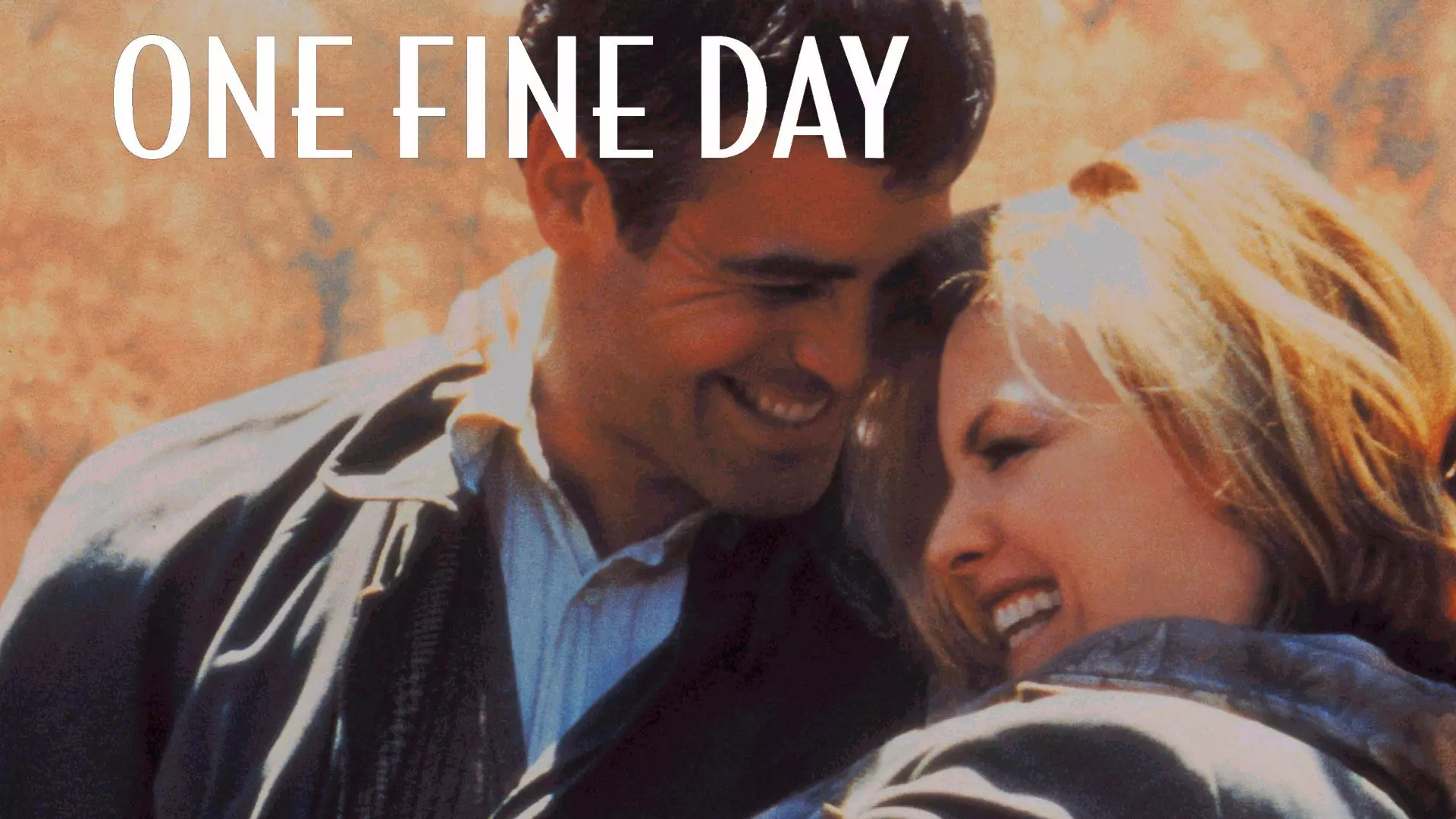
One Fine Day (released in theaters on Dec. 21, 1996) is a classic “ticking clock” romantic comedy that captures the frenetic energy of single parenthood in New York City. The story follows two high-strung professionals: Melanie Parker (Michelle Pfeiffer), a talented architect on the verge of a career-defining presentation, and Jack Taylor (George Clooney), a cynical, deadline-driven columnist for the Daily News.
The chaos begins when Jack fails to get the correct time for a school field trip, causing both his daughter, Maggie (Mae Whitman), and Melanie’s son, Sam (Alex D. Linz), to miss the boat.
With no childcare and the biggest work days of their lives unfolding simultaneously, the two strangers are forced into an uneasy alliance.
They agree to “tag-team” the kids, swapping them back and forth between press conferences and blueprint meetings.
The day is a comedy of errors involving lost cell phones, misplaced kittens, and a crucial press conference regarding city corruption involving Manny Feldstein (Joe Grifasi).
Charles Durning, Robert Klein, Ellen Greene, and Amanda Peet round out the cast.
As the rain begins to fall and the pressure mounts, the mutual animosity between the meticulous Melanie and the breezy Jack begins to thaw, revealing a deep-seated respect and an undeniable romantic spark.
One Fine Day remains a beloved staple of the 1990s romantic comedy boom, primarily remembered for the electric, old-school Hollywood chemistry between Clooney and Pfeiffer.
For Clooney, the film was a significant milestone, proving he could transition his TV doctor charisma from ER to a leading man on the big screen.
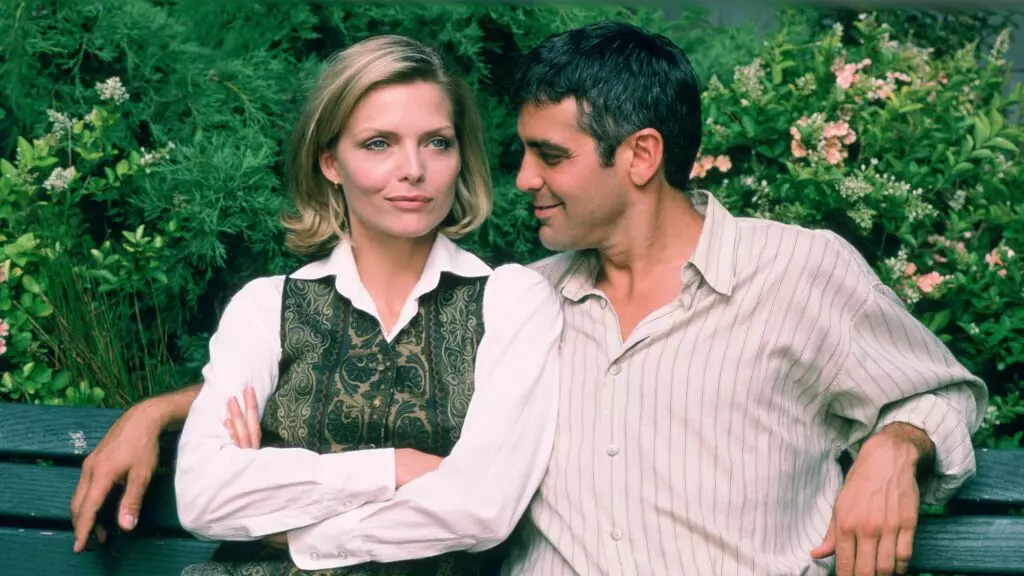
Michelle Pfeiffer and George Clooney in One Fine Day (Photo/20th Century Fox)
Reception for One Fine Day
One Fine Day grossed $6.2 million on its opening weekend, finishing fifth at the box office.
The film would gross $97.5 million worldwide.
Legacy
Unlike many rom-coms that exist in a vacuum of leisure, One Fine Day finds its heart in the stress of the “daily grind.” It was one of the first major films to highlight the specific anxieties of the digital dawn—where a dead cell phone battery felt like a catastrophe.
With its lush James Newton Howard score and its “enemies-to-lovers” trope executed with genuine wit, the film has endured as a comfort watch. It stands as a testament to the era of the “mid-budget star vehicle,” reminding audiences that sometimes the most romantic thing a person can do is simply help you survive the day.